British Trails
Wainwright’s Coast to Coast: A Line Across England
Alfred Wainwright’s walk links three national parks and two seas, with room for walkers to choose their own line across northern England.
- Length
- about 305 km
- Usual time
- about 2 weeks
- Travelled
- on foot
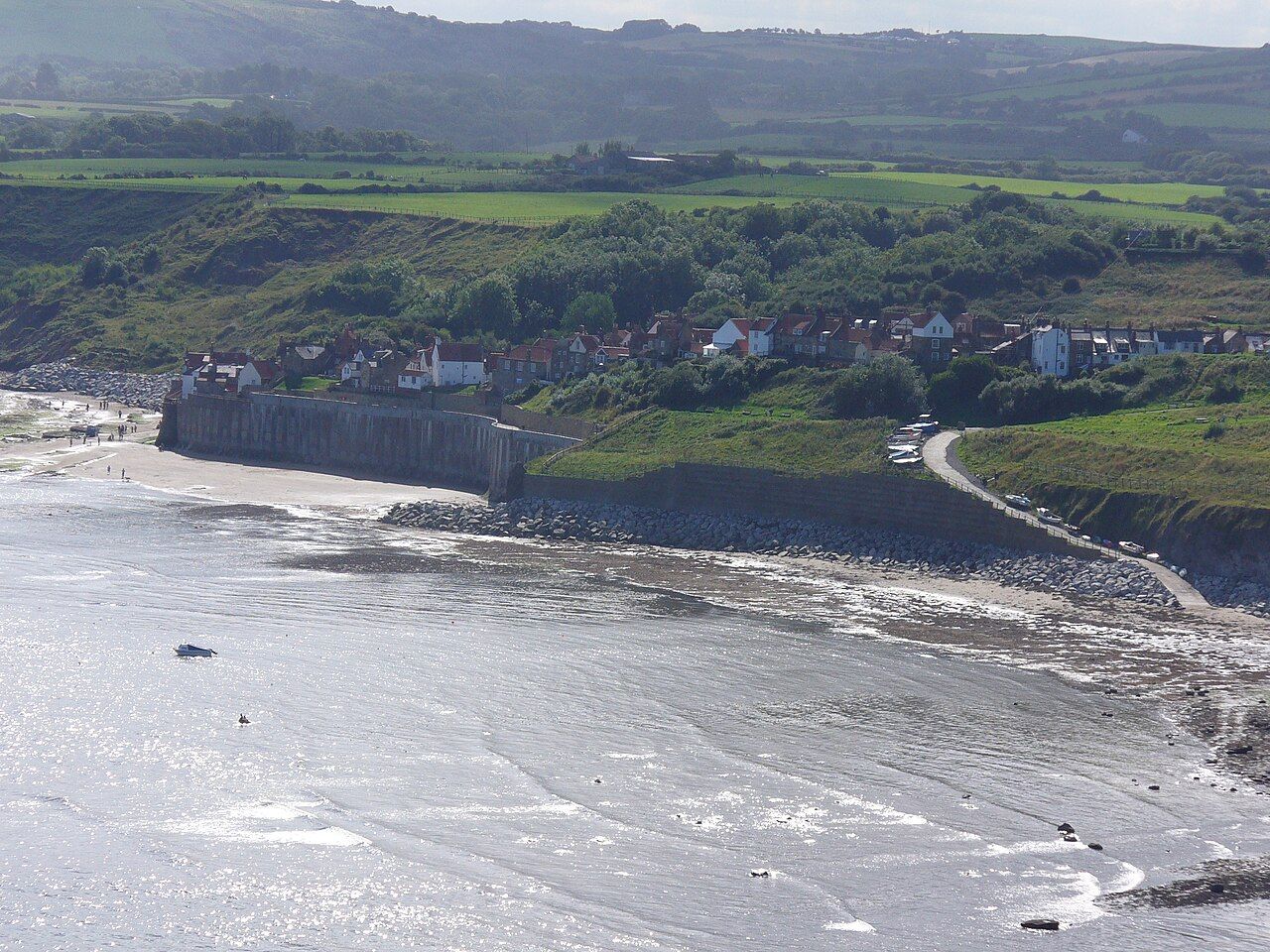
305 km is the useful measure, though the walk starts with two seas. It runs from St Bees to Robin Hood’s Bay, across northern England. The first is the Irish Sea; the other is the North Sea. That simple passage gives the route its shape and its appeal.
Alfred Wainwright described the Coast to Coast in his book A Coast to Coast Walk, published in 1973. He did not intend his route as the only proper crossing. It was one possible line among many, and he encouraged walkers to devise their own. That invitation matters more than any tidy claim of perfection.
The route crosses the Lake District, the Yorkshire Dales and the North York Moors. Three national parks make a substantial frame, but the appeal is not simply collecting names. The walk asks for a change of scene across one continuous journey. Its character comes from the crossing, rather than a single destination.
At St Bees, walkers traditionally dip their boots in the Irish Sea. At Robin Hood’s Bay, they dip them in the North Sea. It is a neat beginning and ending, almost too neat for a route built around personal choices. Still, I like the gesture. A thermos of tea is a better travelling ritual than grand speeches.
Those two dips make the walk legible before its details arrive. Between them sits a long distance, several national parks and plenty of room for preference. Wainwright’s invitation to devise a line of one’s own gives the route a useful looseness. A walk can have a clear beginning and ending without pretending that every footstep must be prescribed.
The line
The Pennine watershed is crossed near Nine Standards Rigg, a row of tall stone cairns. Kidsty Pike, at 780 m, is the route’s highest point. Those are firm markers in a walk whose larger idea is freedom of choice. The facts give it structure; Wainwright’s approach stops that structure feeling like a rulebook.
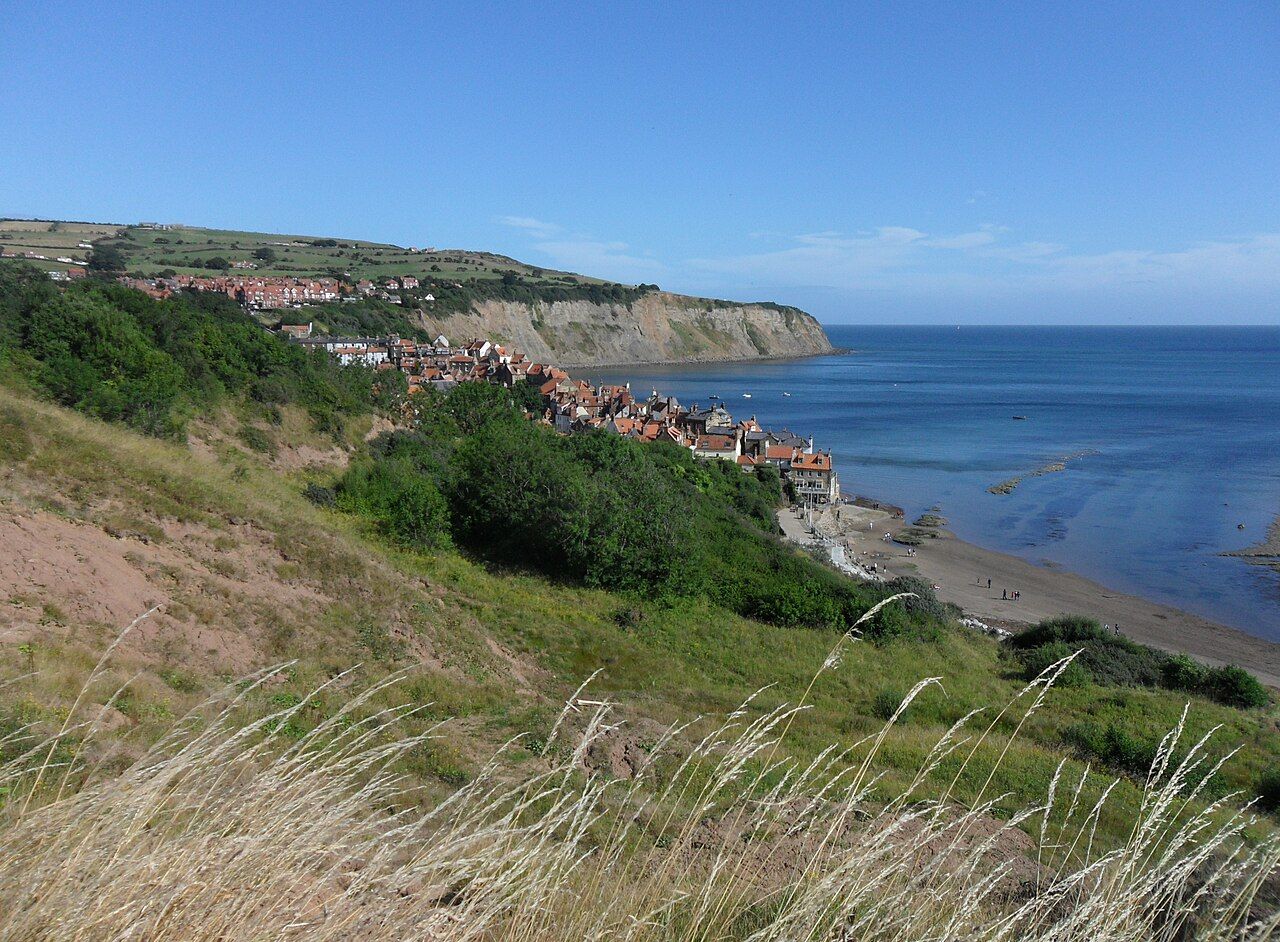
There is a practical tension here, and it suits the route. A named walk needs enough definition to be recognised, yet this one began as an invitation to make alternatives. I prefer that balance to a route treated as a test of obedience. The line matters, but so does the person choosing how to follow it.
A comparison with Britain's first National Trail is useful, if only as a reminder that long walks can carry different kinds of identity. The Coast to Coast has Wainwright’s described route, but also his permission to look beyond it. That is a better proposition than insisting there is one definitive way across.
The numbers: about 305 km; about 2 weeks; on foot.
Most walkers take about 2 weeks to complete the walk. That is long enough for the crossing to feel like its own undertaking, rather than a line between two sea dips. What matters is having time to notice the route’s changing company.
The route’s 190 miles and about 305 km describe the same broad commitment. Neither figure makes the walk sound easier or harder; they make its scale clear. There is no clever trick in that distance, and no need to sell one. The straightforward measure is part of the route’s appeal.
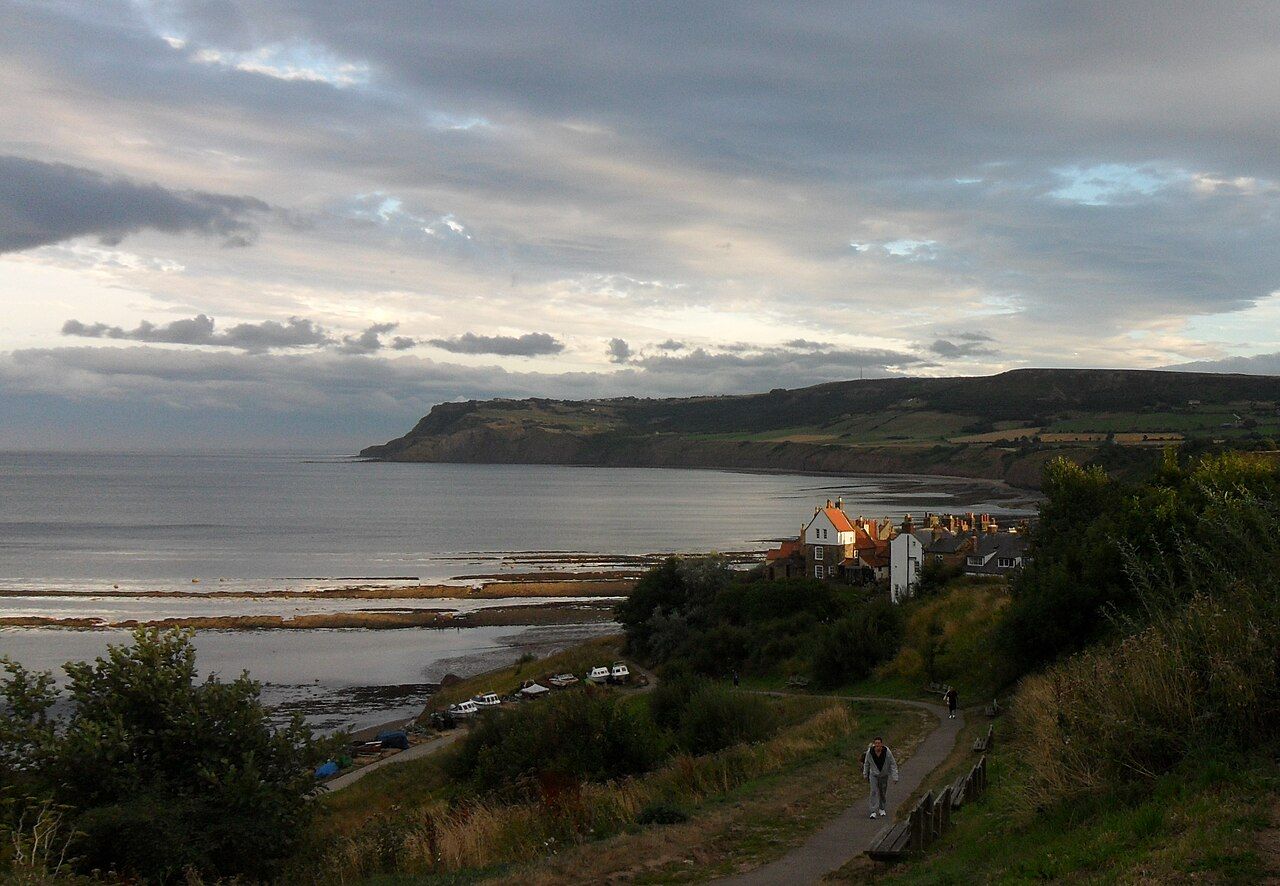
A thermos of tea is a better travelling ritual than grand speeches.
The 2022 announcement that the Coast to Coast would become a National Trail adds another layer to its identity. It does not cancel Wainwright’s encouragement to devise a personal line. I find that coexistence more interesting than a simple promotion story. The route gains recognition while keeping its original idea of choice.
There are other ways to think about a long walk. A walk along the Roman frontier suggests a different organising idea; the Coast to Coast is defined by its sea-to-sea reach. And Wordsworth's cottage at Grasmere offers a destination of another kind. Here, the point is less a single stop than the distance between two edges.
The thermos of tea still seems right for this one: plain, dependable, not trying too hard. I would rather spend attention on the route’s own terms than invent a grander meaning for it. Three national parks, a watershed, a high point and two seas are enough material. Wainwright’s openness makes that material feel less like a checklist.
What I like most is the route’s modest confidence. It makes a sizeable claim across northern England, then leaves space for walkers to shape their own version. The boot-dipping tradition gives the crossing a satisfying frame without explaining it away. The best detail is still Wainwright’s belief that one line need not settle the question.
The Coast to Coast is compelling because it joins a clear crossing to an open invitation.