Walking Writers
Wordsworth at Dove Cottage
At Dove Cottage, a literary home becomes a way to think about Wordsworth’s walking, spoken composition and the distance behind a life of poems.
- Travelled
- reading and on foot
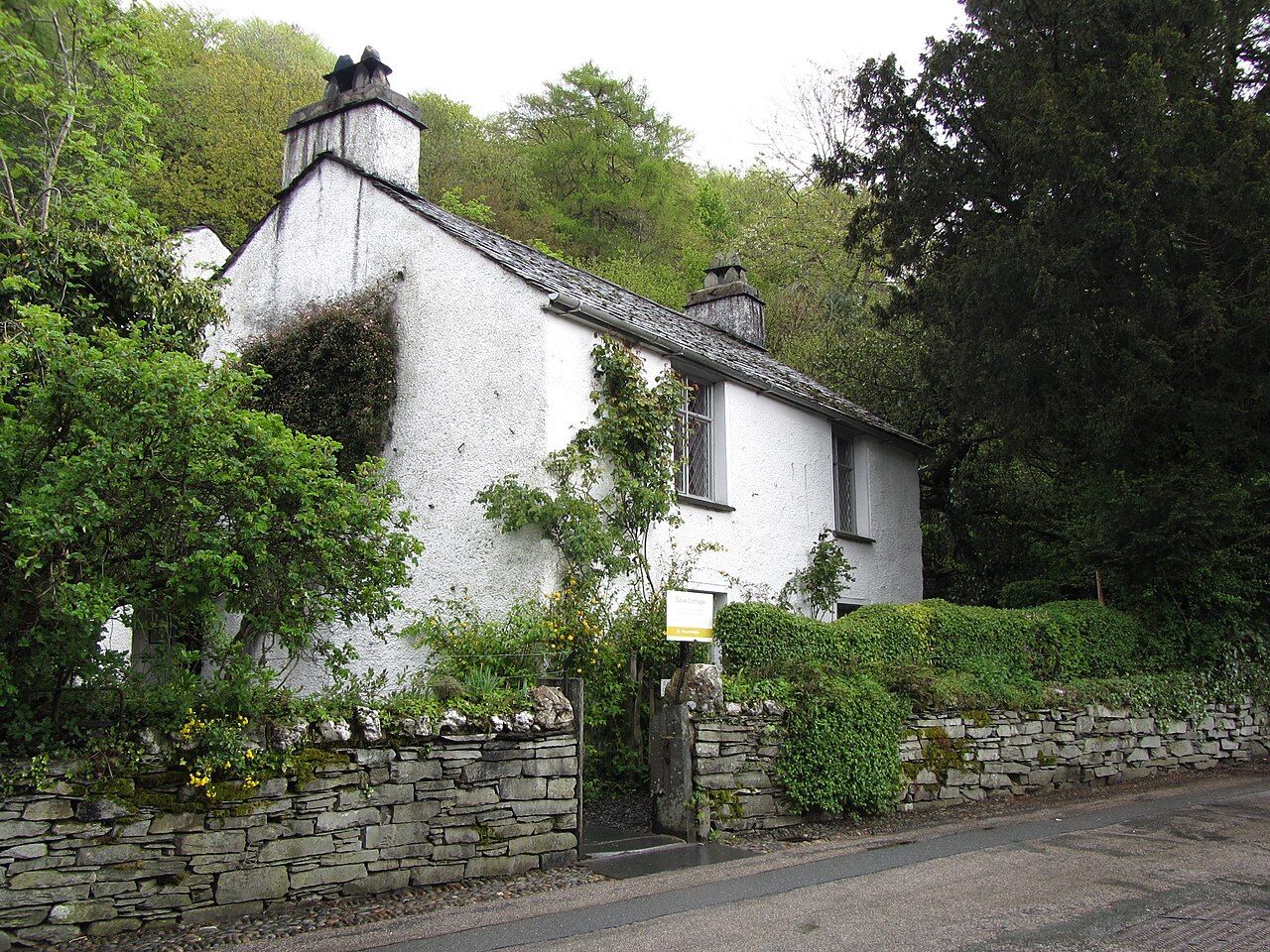
Dove Cottage begins with a simple question about making poems. What changes when composition happens out of doors, while walking? William and Dorothy Wordsworth moved there in December 1799. The fact is plain; its consequences are less tidy. A home can hold a life, but walking keeps carrying it elsewhere. That tension is what makes this address worth considering.
Wordsworth often composed poems aloud while walking. It is a useful detail, not just a biographical flourish. The voice and the movement belong together here. A poem was not always waiting indoors for its final shape. Sometimes the work happened while the body kept going. That makes the cottage feel less like an explanation than a starting point.
Wordsworth’s walking was not a break from composition; it belonged to it.
Wordsworth’s walking was not a break from composition; it belonged to it.
The distinction matters. Walking can be treated as scenery, a pleasant interval between serious tasks. That reading seems too easy for Wordsworth. If poems came aloud on foot, then movement was part of the method. The useful question is not simply where he lived. It is what kind of attention walking allowed him.
I like that answer better than a neat legend about inspiration. It gives no magic shortcut, and promises no instant poem. It asks for time, repetition and a willingness to keep moving. A thermos of tea suits the thought: practical, unshowy, best appreciated without ceremony. The cottage gives this way of working an address, but not a formula.
Dorothy belongs in that picture as more than a name beside William’s. The marker points towards the journals Dorothy kept, and towards another record of life and attention. I find that useful. A story about a famous walker can too easily make everyone else scenery. Here, Dorothy’s presence in the household is part of the subject, not a footnote to it.
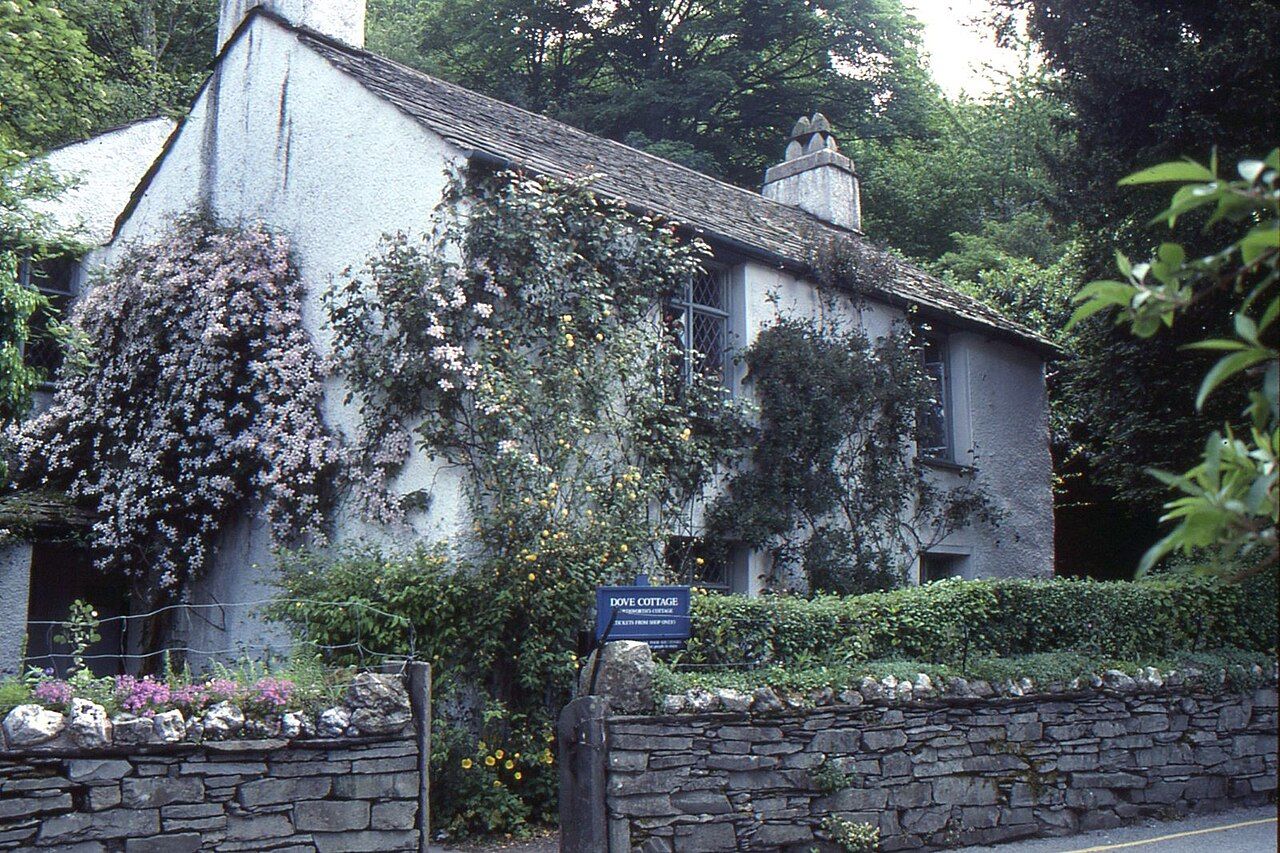
Walking and distance
Thomas De Quincey took over the tenancy after the Wordsworths left. He estimated that Wordsworth walked between 175,000 and 180,000 miles in his life. Those figures are striking, though they do not settle anything by themselves. A huge distance can impress without explaining a poem. The better measure is what the walking did to his work.
The numbers: December 1799; between 175,000 and 180,000 miles, by De Quincey’s estimate; 1891, when the cottage opened to the public.
There is a risk in making mileage the whole story. Numbers turn a practice into an achievement, then leave the reader standing outside it. The more interesting point remains smaller: Wordsworth composed aloud as he walked. That is a working habit, not a record to beat. I would rather follow the habit than admire the tally.
Other writing about walking makes a useful companion here. The link to Hazlitt's famous essay places Wordsworth’s practice beside a wider argument about going on foot. And the walk from St Bees offers another way to think about distance as lived experience. Neither needs to explain Dove Cottage. They simply keep the question open.
The thermos of tea returns as a modest counterweight to all that distance. It is not a grand instrument, and that is its appeal. Walking asks for attention to the next stretch, then the next. A poem spoken aloud might begin in that ordinary rhythm. The cottage’s importance lies partly in making the rhythm imaginable.
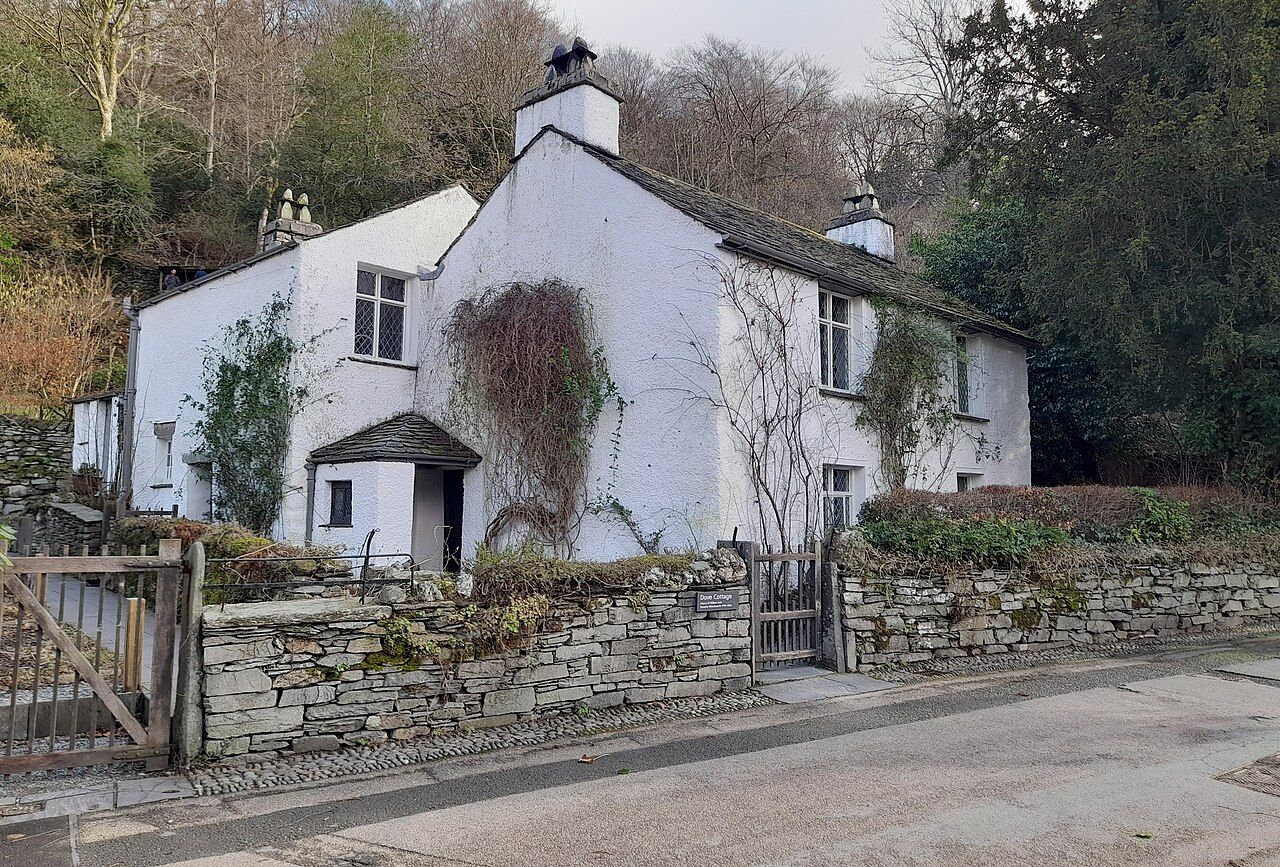
The Wordsworth Trust opened Dove Cottage to the public in 1891. That gives the house another life, beyond its years as a home. There is a difference between visiting a literary address and understanding the work associated with it. The first can be done quickly in the imagination. The second takes longer, and requires looking past the idea of genius at rest.
Leaving the cottage
The Wordsworths left Dove Cottage for a larger house in 1808. Wordsworth moved to Rydal Mount in 1813, and lived there until his death in 1850. He is buried in the churchyard of St Oswald's in Grasmere. These facts make the cottage one part of a longer life, not its complete container. That seems the right proportion.
There is also the earlier walk through France and over the Alps. In 1790, Wordsworth made that journey with his friend Robert Jones. It gives his later walking a longer prehistory. He was not simply a poet who happened to take walks near home. Movement already belonged to the shape of his life, well before Dove Cottage entered it.
Still, the cottage is a better focus than the mileage alone. It places domestic life beside a practice that kept moving. It also resists the idea that writing happens only at a desk, safely separated from the world. Wordsworth’s poems could begin aloud, with walking doing some of the thinking. That is a more convincing reason to linger over this place.
I would not come looking for a grand theory of poetry here. The facts offer something firmer and less showy: a shared home, a walker, and poems composed aloud. The larger house came; the walking continued as part of his story. For me, that balance is the point. The cottage matters, but it should not be asked to explain everything.
So the closing image is modest: a page, a thermos of tea, and a walk continuing in thought. The cottage stays behind as an address. Wordsworth’s way of working keeps moving beyond it. That is the part I would carry away.