Rivers & Canals
The Kennet and Avon Canal
From Reading to Bristol, this restored waterway is more than its famous locks. Its crossings, working history and canal-versus-river distinction make the journey.
- Length
- about 87 miles
- Usual time
- about 1 week
- Travelled
- by boat
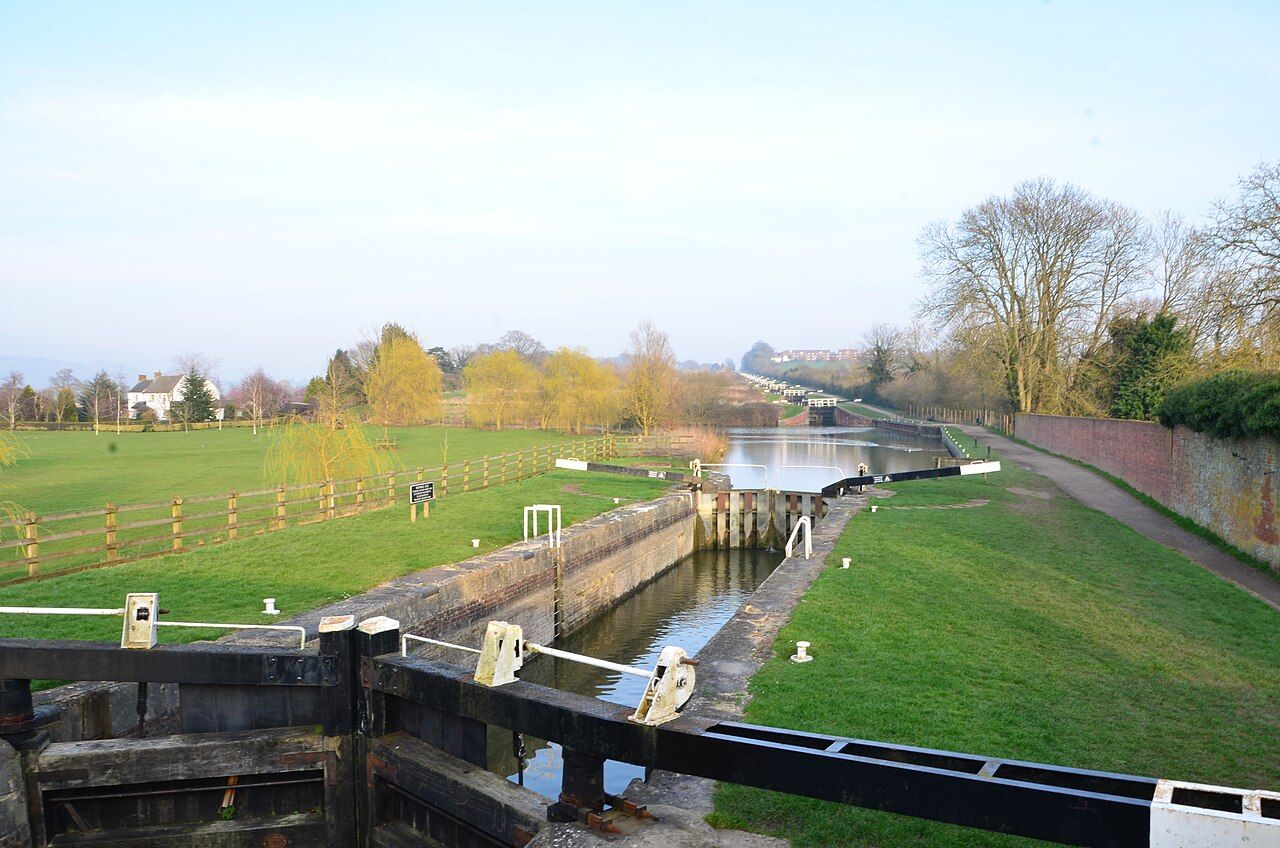
A boat moves along the Kennet and Avon, and the route keeps changing character. Canal gives way to river navigation at either end. The waterway runs from Reading to Bristol, but its centre holds the clearest identity. There, locks and aqueducts give the journey shape. I like a route that earns its reputation through details.
The canal opened in 1810, engineered by John Rennie. Those dates and names matter less than the practical distinction they frame. The whole navigation covers about 87 miles. The canal itself runs about 57 miles between Newbury and Bath. Calling it simply a canal misses the river stretches at either end. That is a useful correction, not a quibble.
Bath makes a satisfying point of arrival, without needing to carry the whole story. The city sits at the meeting point of waterway and destination. a trail into Bath offers another approach to the same endpoint. I prefer the canal’s slower logic: locks set the pace, and the route makes its changes visible. A thermos of tea seems more useful here than a grand itinerary.
The numbers: about 87 miles; about 1 week; by boat.
Locks and crossings
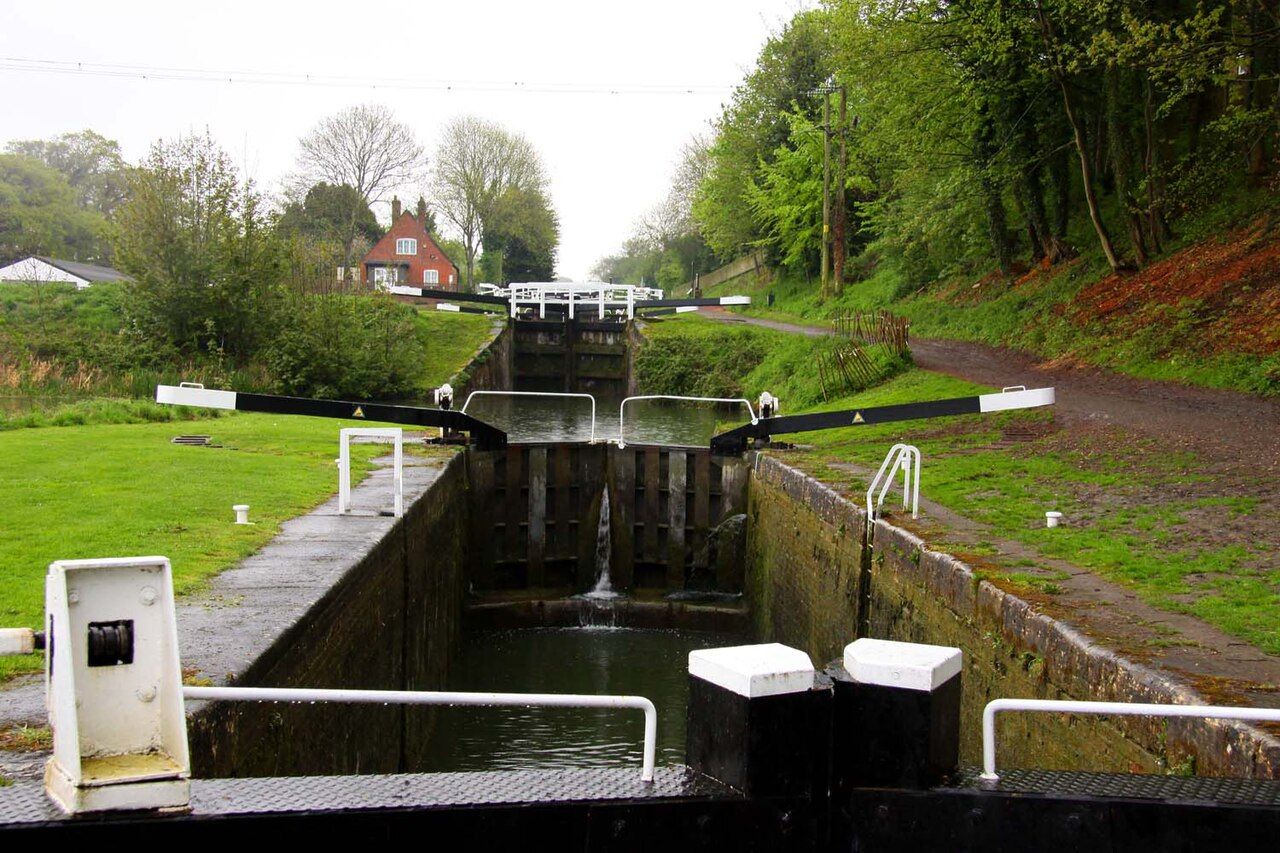
Caen Hill, near Devizes, is the canal’s most emphatic piece of engineering. Its flight has 29 locks, with 16 in a straight line up the hill. That is a lot of repeated effort, and the straight run gives the climb a firm visual order. The locks are the obvious headline. They also reward attention to the whole sequence, not just the count.
The Dundas Aqueduct carries the canal over the River Avon near Bath. It is a crossing with a clear job, which is precisely why it holds attention. the aqueduct over the Dee comes to mind as another named aqueduct. The comparison is useful, but Dundas belongs to this route’s own geography. Here, waterway and river meet in a particularly legible way.
At Crofton, beam engines once pumped water to the canal summit. That single fact gives the route a working history beyond its locks. I like the practical ingenuity more than a polished story of progress. A summit needs water; these engines supplied it. The detail also helps explain why the canal feels like a connected system, rather than a string of handsome structures.
Restoration brought the waterway back after its years of decay. The canal was reopened by the Queen in 1990. The reopening matters, but the present route is the stronger argument for the work. It joins Reading and Bristol, with Newbury, Bath, Caen Hill and Crofton giving its length particular shape. The result is substantial without needing a grand claim attached.
There is a pleasure in routes that ask for patience without pretending patience is the point. The Kennet and Avon has locks to count, an aqueduct to cross and a long distinction between canal and navigation. It is also a waterway to travel by boat, not merely a list of landmarks. the poet's house in Grasmere suggests another kind of journey held by place; this one stays with water.
At the end, the canal’s appeal is not difficult to name. It is the scale of the undertaking, made plain in ordinary working details. I would take the locks over a tidy summary, and the aqueduct over another broad claim. A thermos of tea beside the water is enough ceremony. The route has already done the hard work.