Walking Writers
Keats’s walking tour of 1818
John Keats and Charles Brown walked north through the Lake District and Scotland, with Burns’s cottage, Staffa and Ben Nevis along the way.
- Length
- about 640 miles
- Usual time
- about 2 months
- Travelled
- on foot
June 1818: John Keats sets out walking with Charles Brown. They head north, through the Lake District, then into Scotland. The route earns its interest through a handful of stops, not a neat itinerary.
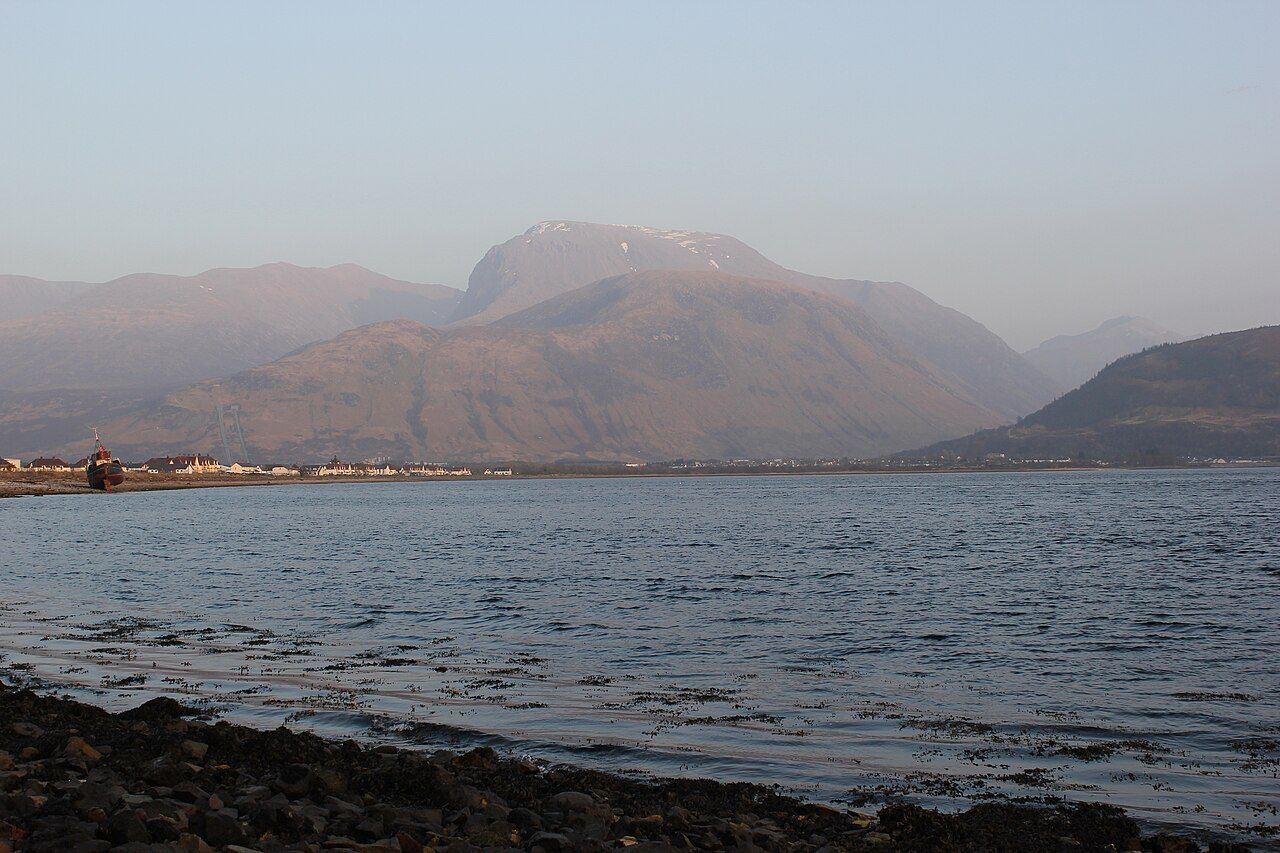
There is the cottage at Alloway where Robert Burns was born. There is Fingal’s Cave, on the island of Staffa. Then Ben Nevis, climbed by Keats on 2 August 1818. He wrote a sonnet on its summit, which gives the climb a point beyond simply reaching the top.
The Lake District comes first, before the crossing into Scotland. That makes Bashō's journey to the north a useful companion in the mind: another journey best approached through its stops and the writing they leave behind. Keats’s route has its own clear markers, and little need for added scenery.
The numbers: about 640 miles, on foot, over about 2 months.
Keats and Brown visited Burns’s birthplace and Staffa. Keats climbed Ben Nevis, then left the tour at Inverness with a sore throat. He returned to London by sea from Cromarty. The ending is abrupt, and that suits the walk better than an invented grand finale.
Inverness also gives the route a useful point of comparison with the railway west from Inverness. And the Highland walk to Fort William belongs in the same conversation about walking through Scotland. Neither comparison should distract from the older journey’s plain shape: a long walk, a few memorable destinations, and an ending dictated by illness.
Keats’s sonnet on Ben Nevis is the detail I’d keep. Burns’s cottage and Staffa matter, but the summit gives the walk its strongest finish. Then comes Inverness, a sore throat, and the sea back to London. No tidy completion, just a route cut short.
That is a better walking story than a tidy itinerary, and more convincing for its rough, unfinished ending.