British Trails
The South West Coast Path: England at Walking Scale
From Minehead to Poole Harbour, this long coastal line follows old coastguards’ paths and asks a blunt question: how much coast is enough?
- Length
- 1,014 km
- Usual time
- 7-8 weeks
- Travelled
- on foot
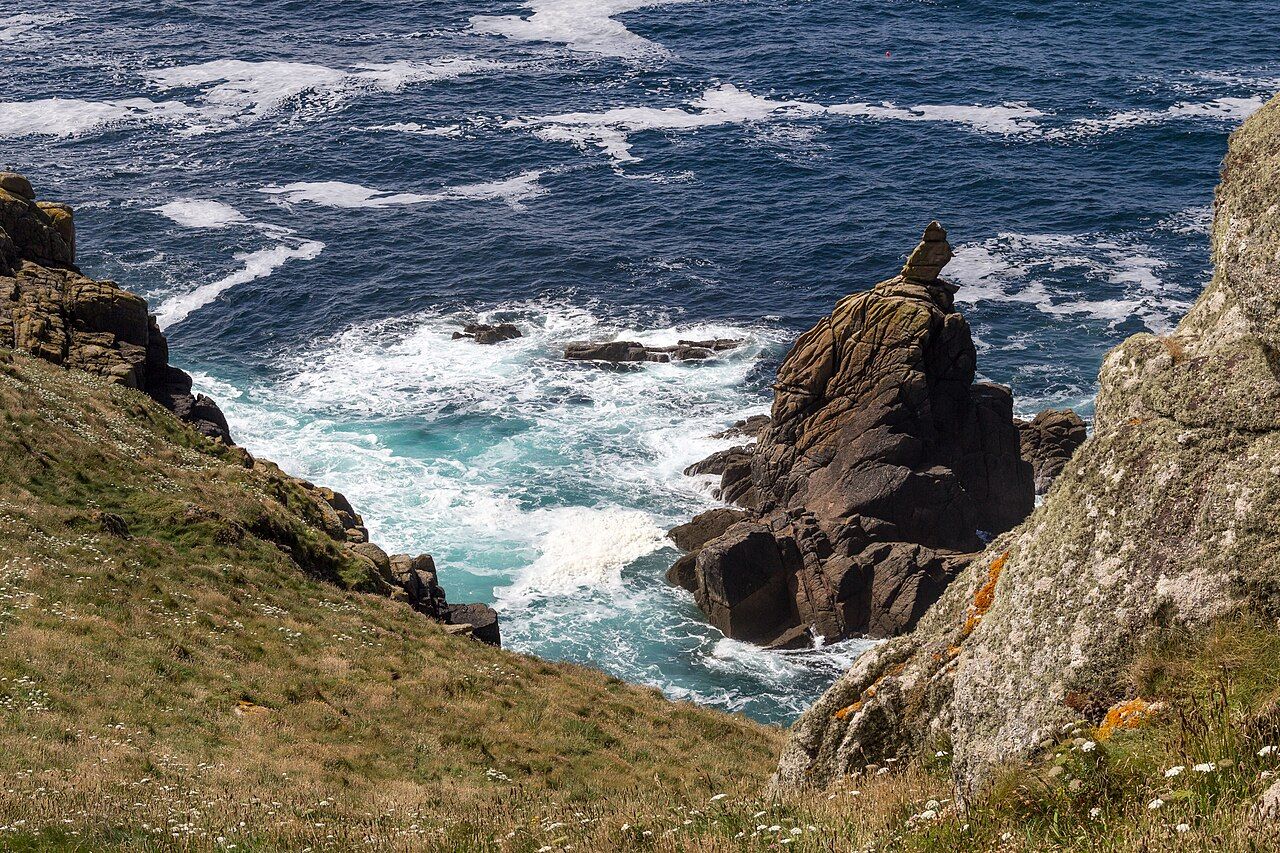
The coast keeps going, and the path keeps asking for more. From Minehead to South Haven Point at Poole Harbour, the South West Coast Path makes distance its subject. It runs through Somerset, Devon, Cornwall and Dorset, without pretending that a coastline is a small undertaking. This is England’s longest National Trail, and the title feels earned before the numbers arrive.
The thermos of tea is a useful measure of ambition. It fits the scale better than talk of a quick coastal wander. This path asks for sustained attention, not a tidy afternoon’s conclusion. Its appeal is not simply that it goes far. It makes the coast itself the reason to keep going.
The scale
At 630 miles, or about 1,014 km, the route is difficult to hold in mind. Those figures are clearer than any claim about what a walk should feel like. The total ascent is about 35,000 m, almost four times the height of Everest. That is the detail that changes the mood. A map might show a line; the ascent gives it weight.
The scale is the argument, and the difficulty.
The scale is the argument, and the difficulty.
There is a tempting mistake in treating the route as one grand picture. A long path is not improved by being reduced to a single achievement. Its length matters because it keeps bringing the same basic choice back: continue, or call this enough. The answer will vary. The path does not need to settle it.
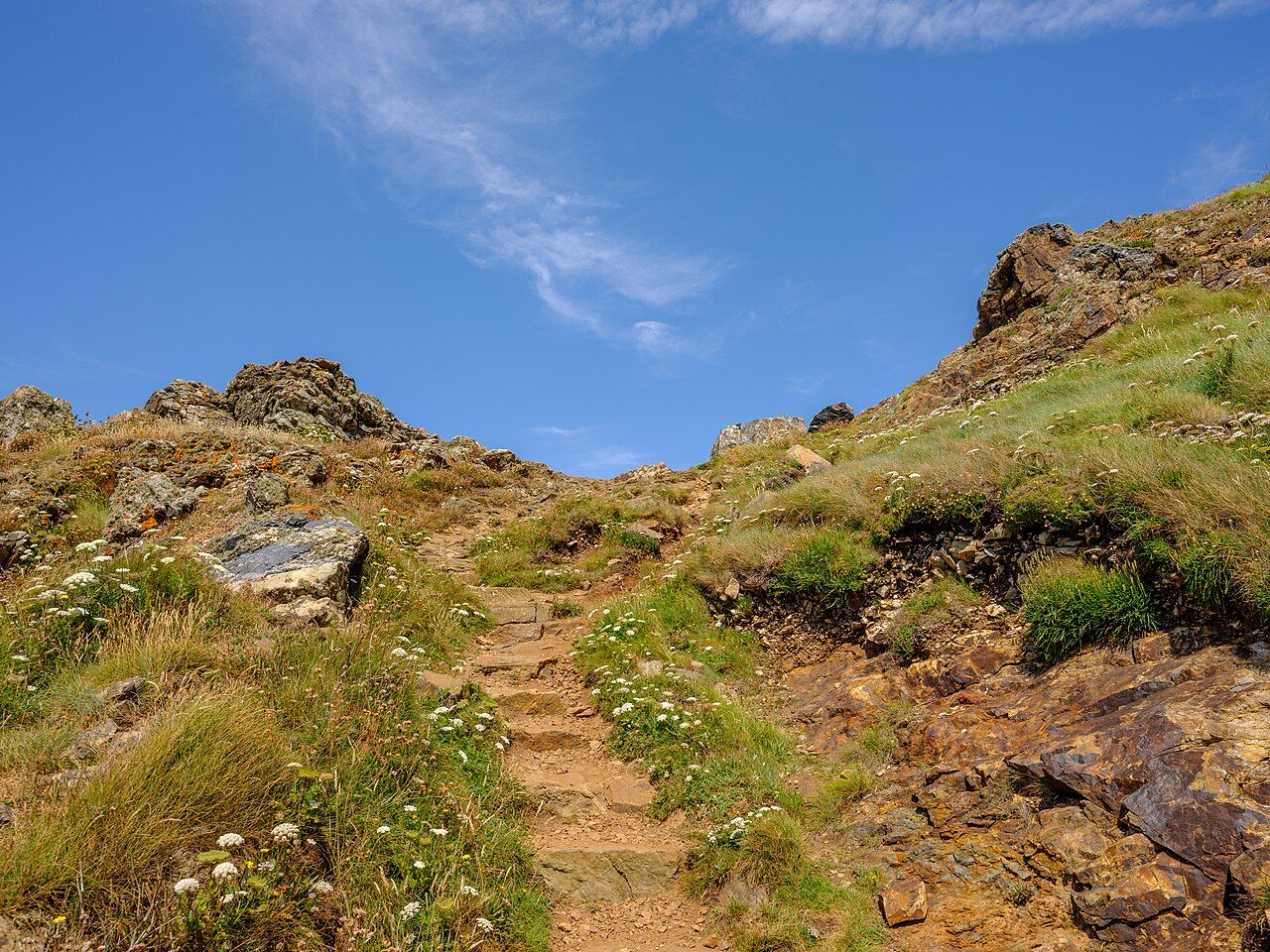
Its company includes a Spanish path above Biscay, Turkey's coastal long trail and the fishermen's trail in Portugal. The comparisons are useful for a moment, then the South West Coast Path returns to its own measure. Its claim is plain: this is the longest National Trail in England, across four counties and a great deal of coast.
The old work
Much of the route follows paths used by coastguards watching for smugglers. That history gives the line more purpose than scenery alone can offer. These were working paths, made meaningful by what people watched for. The coast was not simply a view; it was something to keep an eye on.
That is the strongest part of the path’s character. The old coastguards’ routes give its scale a human measure, without making the walk into a costume drama. A path made for watching smugglers already carries enough tension in the plain fact of its use.
The whole South West Coast Path was completed as a National Trail in 1978. That gives the present route a clear point in its story, but not a false sense of age. Its older lines came from coastguard work; its status as a whole National Trail came later. Keeping those things distinct makes the history more interesting, not less.
Land’s End lies on the Cornish stretch. It is the most westerly point of mainland England, and the route passes through that fact without needing to make it the whole story. The path is larger than a single point, however compelling a point can be. A long walk should not be judged by one marker alone.
Along the coast
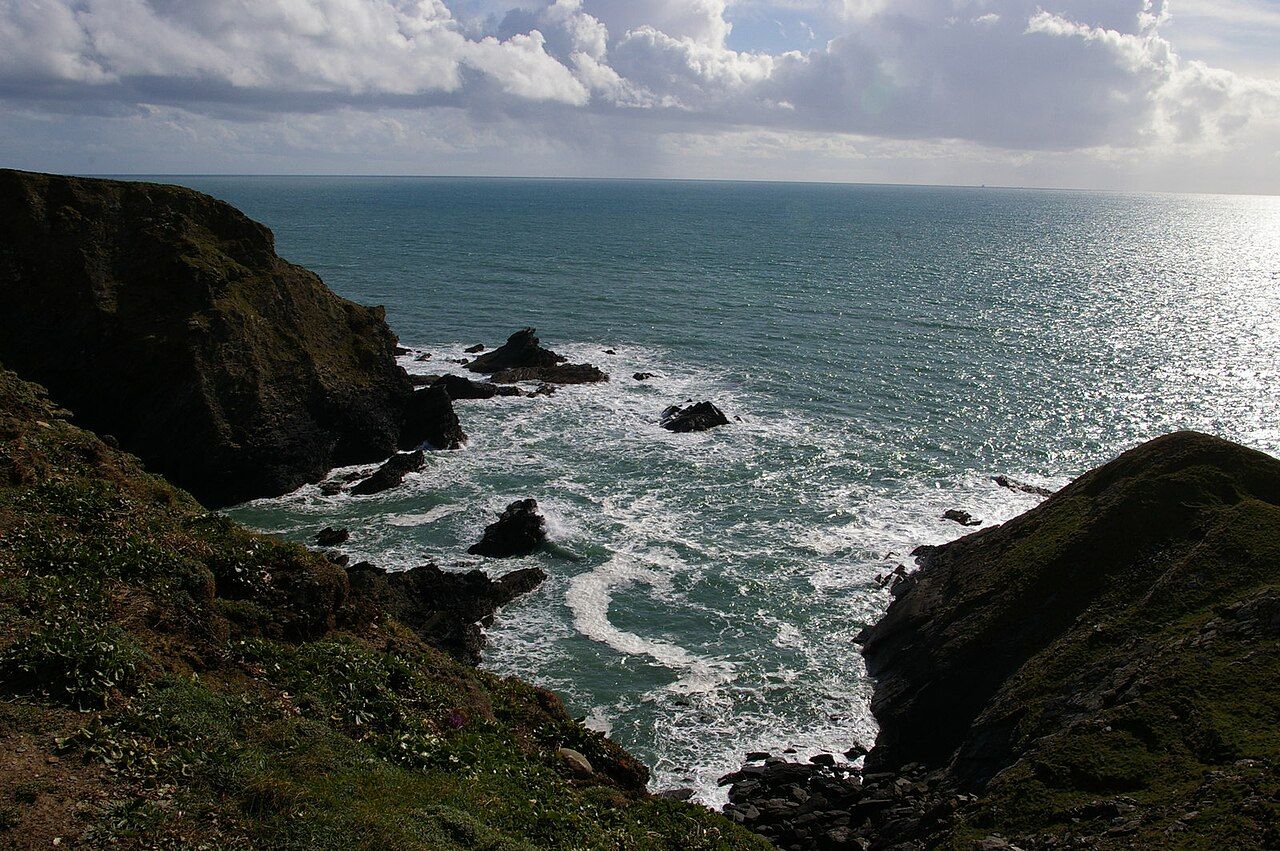
Several river mouths are crossed by small passenger ferries. It is a practical detail, but also a reminder that the route is not only a line on land. At those crossings, the shape of the coast sets the terms. The ferry is part of the walk’s logic, rather than an interruption to it.
The Dorset and East Devon coast is known as the Jurassic Coast. UNESCO gave the coast World Heritage status in 2001. That recognition gives this stretch a name and a history of its own. It also sits within a route that keeps moving beyond any one named section.
That movement is the point, though not a reason to romanticise every mile. The path’s length and ascent are substantial enough without extra claims. The thermos of tea remains my preferred scale: a small, practical comfort against a route that refuses to be small. It is a better companion to the numbers than a grand promise.
The South West Coast Path is most convincing when it joins those parts together: long distance, accumulated ascent, working history and crossings shaped by river mouths. The route’s best argument is that it has room for all of them, across Somerset, Devon, Cornwall and Dorset.
At the end, the line reaches South Haven Point at Poole Harbour. The name is a modest counterweight to the distance behind it. A thermos of tea can be empty by then; the coast, plainly, is not.