Mountain & Coast Paths
The Lycian Way: Fethiye to Antalya
About 540 km on foot, through the old cities of Lycia. The scale is serious; the route’s best moments belong to its coast, history and changing seasons.
- Length
- about 540 km
- Usual time
- about 4 weeks
- Travelled
- on foot
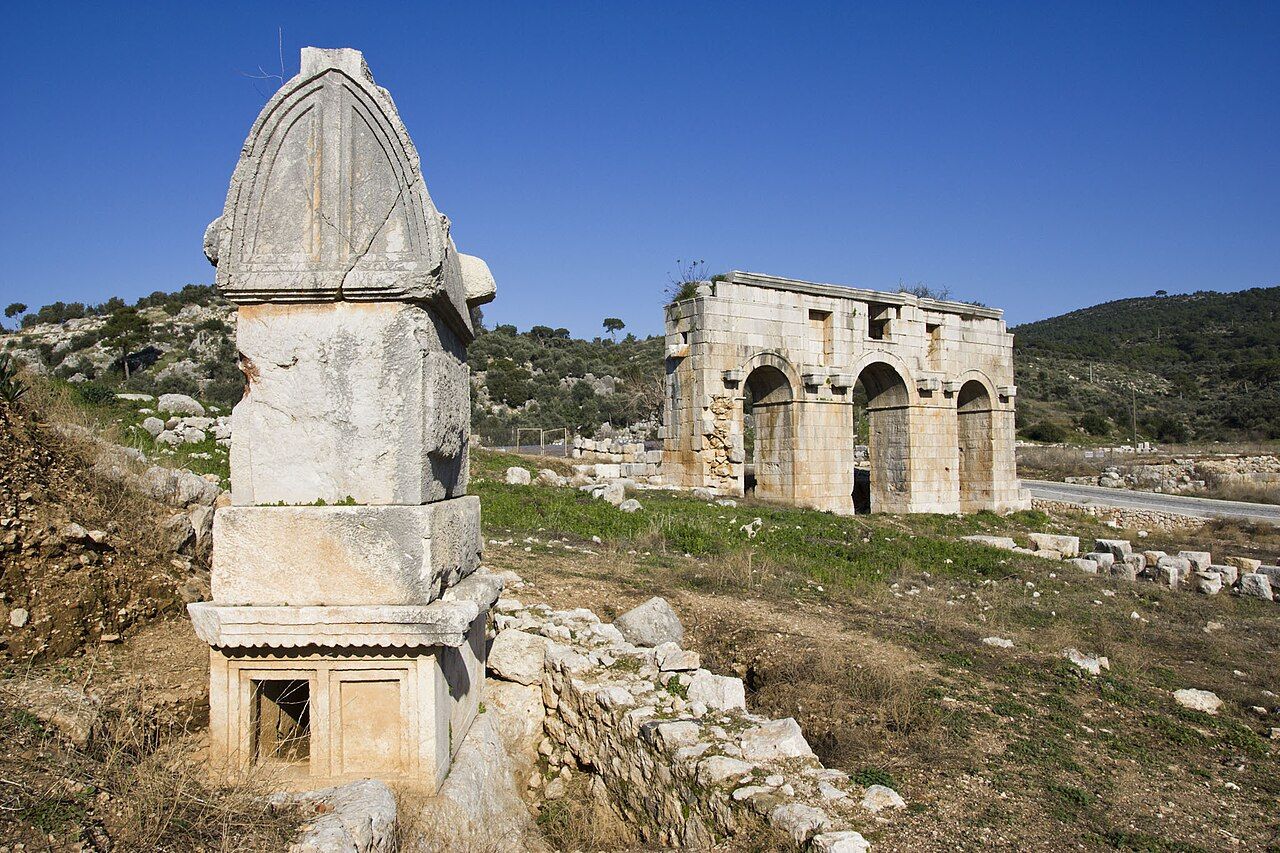
About 540 km separates near Fethiye from near Antalya, along the Teke peninsula. The Lycian Way is Turkey’s first long-distance walking route, waymarked in 1999. That gives it a clear place in the country’s walking history. The distance gives it a clear place in any walking plan.
Its appeal is not a single grand sight. The route passes many sites of the Lycian League, a federation of ancient cities. That steady encounter with a past organised across cities is more persuasive than a checklist. I would rather follow that thread than hurry towards a headline attraction.
In 1988, UNESCO inscribed Xanthos and Letoon together on its World Heritage List. There is weight in the simple fact that these places belonged to a federation, and that the walking route passes many of its sites.
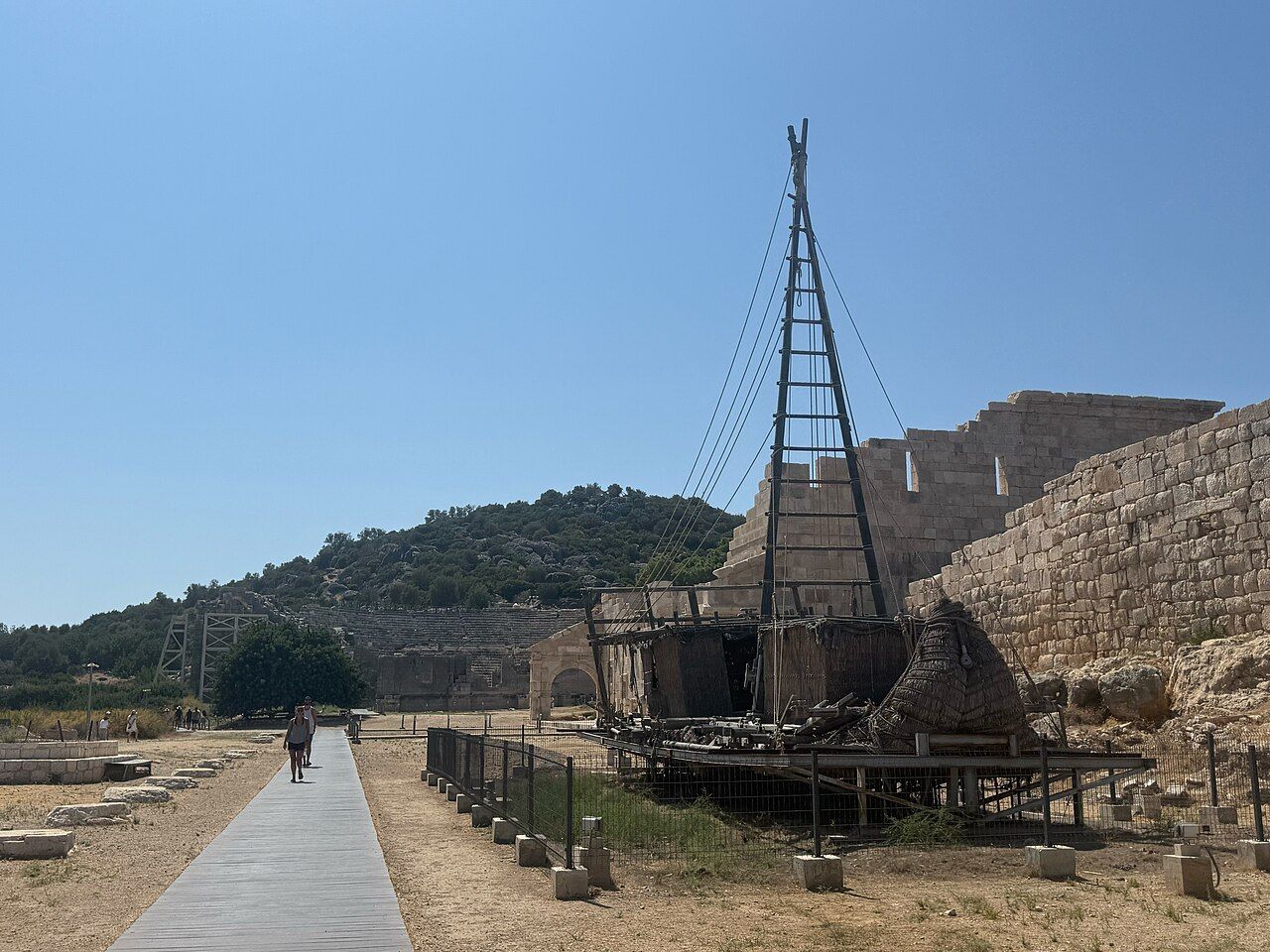
Patara offers a different sort of scale. It was the birthplace of St Nicholas and has one of Turkey’s longest beaches. The contrast between a city’s history and the length of its beach sounds like the route’s strongest argument. It gives the walk more than one kind of interest.
Near Olympos, natural gas burns from rocks at Yanartaş. The site is linked with the Chimaera legend. That is a sharper encounter than another broad claim about ancient scenery. A thermos of tea is a modest counterweight to the flames, and a good companion for a long walk.
Off Kekova, ruins of an ancient city lie partly under the sea after earthquakes. This is the sort of detail that changes the scale of a route. The Lycian Way is not only a line between towns. It passes through histories that remain visible, and others partly submerged.
The numbers
About 540 km; usually about 4 weeks; on foot.
The season matters here more than any grand theory of walking. The route is mostly walked in spring and autumn, because summer on the Lycian coast is very hot. That seems sensible. I have little patience for making heat part of the achievement when the route already asks for time.
There is a useful comparison with Europe's toughest island trek, but the Lycian Way has its own measure. It is also a different proposition from the long coast of south-west England. Coast matters, certainly, but here the ancient cities and the mountain setting are part of the draw.
Its place in a wider walking imagination is easy to understand. The journey that ended at Constantinople belongs to a different kind of travel story. The Lycian Way stays with a defined route, between near Fethiye and near Antalya, with the Lycian League repeatedly in view.
Four weeks is a substantial claim on time, and the route earns it through variety rather than novelty. Patara, the sites of the Lycian League and Yanartaş each make a different case. The route’s best feature is that it does not need one sight to carry the whole walk.
At the end, I like the quieter measure: a thermos of tea, the route behind, and the coast still in mind. The Lycian Way is a serious walk, but its history gives the distance purpose.