Pilgrim Ways
The Camino del Norte: cities, coves and the inland turn
About 820 km along Spain’s northern coast, the Camino del Norte trades an easy coastal line for cities, estuaries and frequent climbs.
- Length
- about 820 km
- Usual time
- about 5 weeks
- Travelled
- on foot
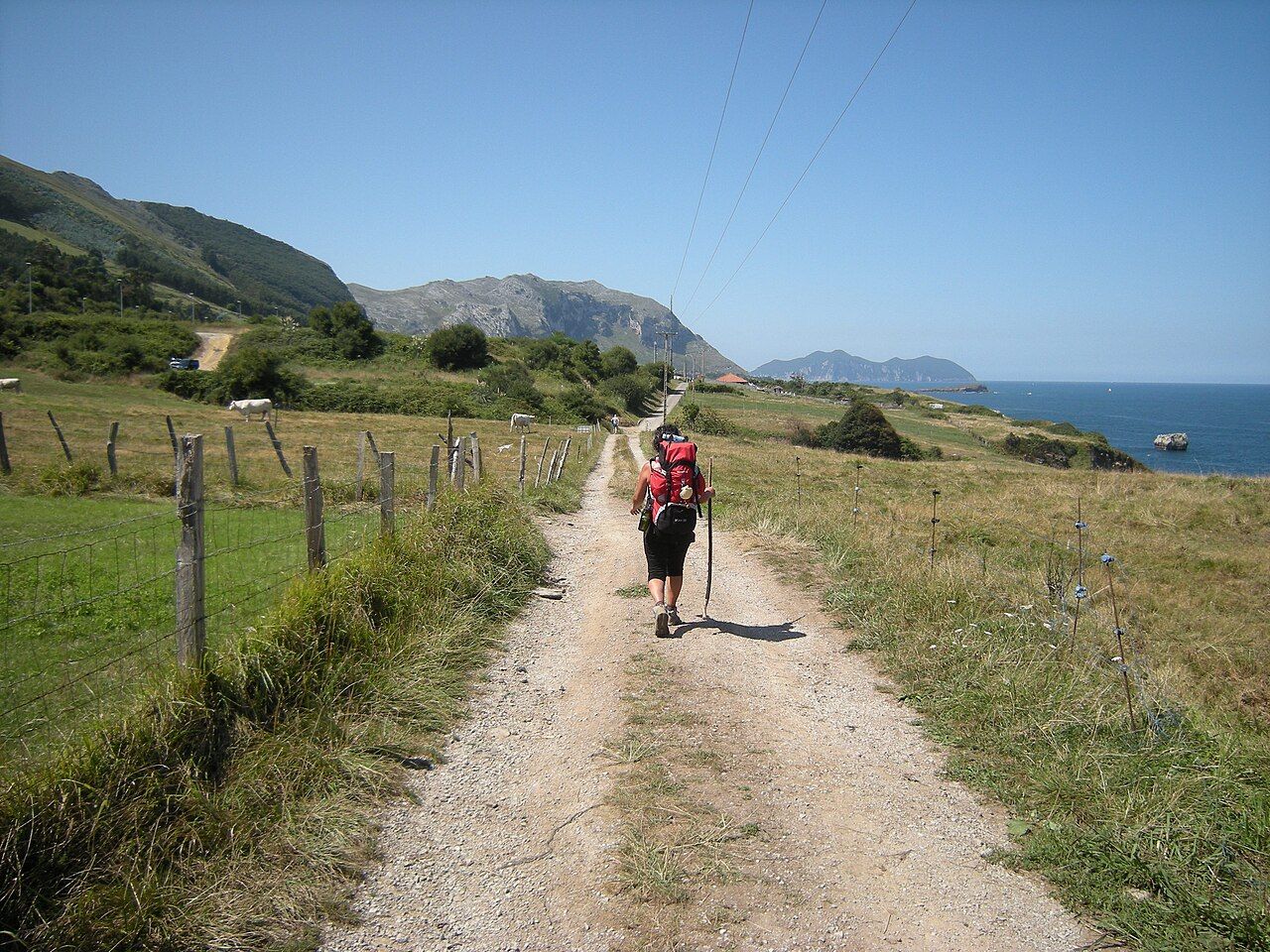
About 820 km separate Irun from Santiago de Compostela on this northern route. The Camino del Norte follows the Cantabrian coast, then turns inland through Galicia. Its appeal is the changing shape of the journey, not an easy coastal stroll.
The route passes through the Basque Country, Cantabria and Asturias. There are cities, beaches and estuaries, with frequent climbs between coves and headlands. That last detail matters: the coast is not a flat line, and the route does not pretend otherwise.
San Sebastián, Bilbao, Santander and Gijón all lie on the Camino del Norte. Their presence gives the route a clear urban thread. It is not only a walk between remote stretches of coast; cities belong to its character too.
I like that mixture more than a route built around one repeated view. A thermos of tea suits the pauses between competing ideas: city and coast, level ground and climb. The route keeps changing its terms, which is more interesting than making every kilometre behave.
The northern routes to Santiago joined the UNESCO World Heritage site in 2015. That recognition fits a route whose identity is larger than its endpoint. The Camino del Norte is a coastal way, but its story is also about the places and paths that connect it.
The coast
Estuaries interrupt the coastal line in a more practical way. Several have traditionally been crossed by small ferry, including the one at Santoña. That detail gives the route a different rhythm from a simple sequence of beaches and headlands.
There is a pleasing modesty to that crossing. It is part of the route’s working geography, and the small ferry belongs in the account.
The coast earns its place through contrast, not ease.
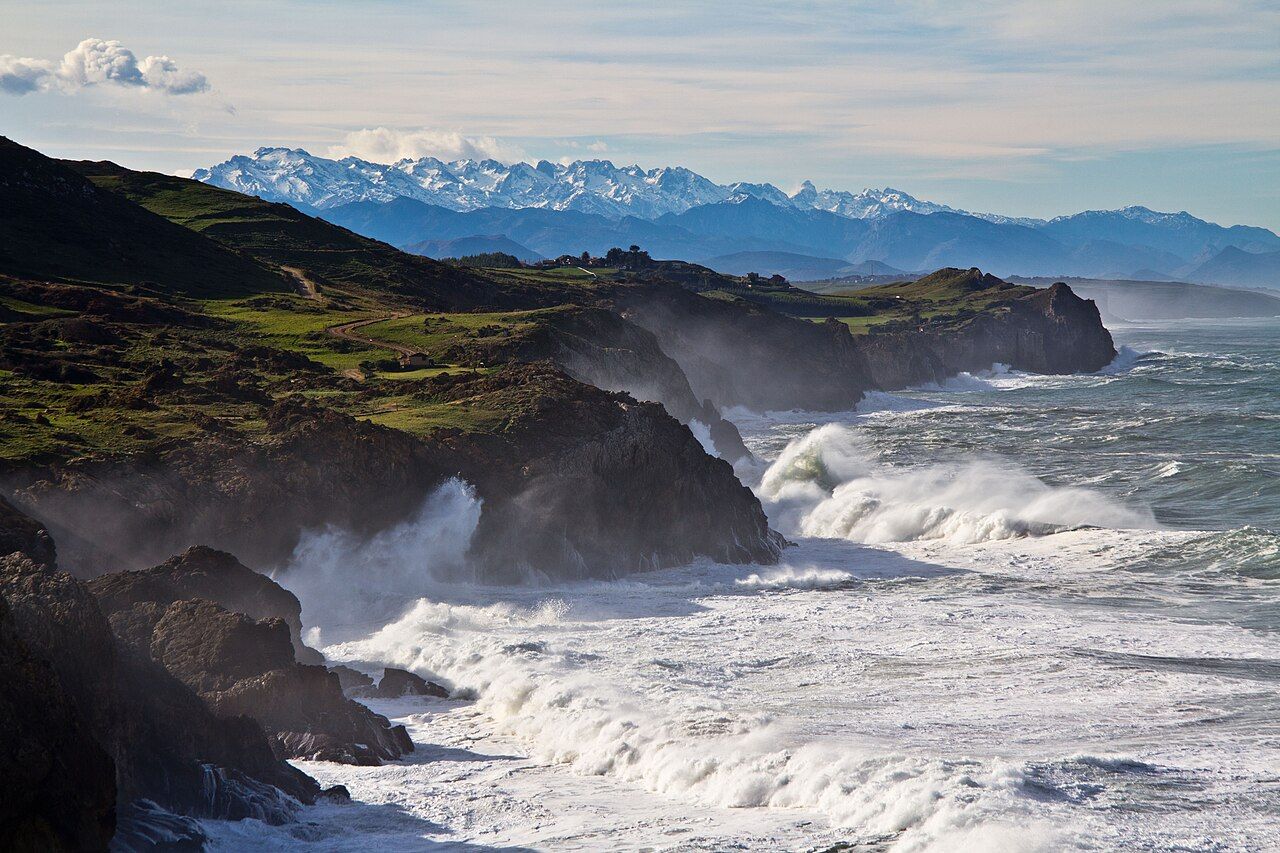
The coastal idea may sound familiar, though the terrain makes its own argument. Frequent climbs between coves and headlands keep the walking varied. Anyone expecting a continuous, level promenade has misunderstood the route before starting.
That is not a complaint. A thermos of tea and a change of ground are better company than a coast that repeats itself. The effort is part of the bargain; the route should be judged as a whole, not by its easiest-looking stretches.
The numbers: about 820 km; about 5 weeks; on foot.
The route’s coastal character also makes comparisons tempting. England's longest coastal walk has a different name and setting, but the useful question here is simpler: how much variety can a long coast route hold?
The answer is more than beaches. Cities, estuaries, coves, headlands and climbs all have a place. The Camino del Norte feels strongest when those contrasts are allowed to stand together, rather than being reduced to a single coastal postcard.
There is no need to oversell every part. Hills make the walking harder than the Camino Francés, and the route asks for more than a fondness for sea views. That is a fair trade, though not one every walker will want.
My thermos of tea is a better measure than a grand promise. It belongs with the pauses, not as proof of hardship. The route’s appeal is in having enough variation to make those pauses feel earned.
The coast earns its place through contrast, not ease.
The inland turn
Near Villaviciosa, the Camino Primitivo branches south towards Oviedo. The split is a useful reminder that the northern routes are not one fixed line. The coast offers a direction, but branches and junctions give the wider journey its shape.
The branch inland to Oviedo is a natural point of comparison: the branch inland to Oviedo makes the change of direction explicit. The Camino del Norte continues its own course, with Galicia still ahead.
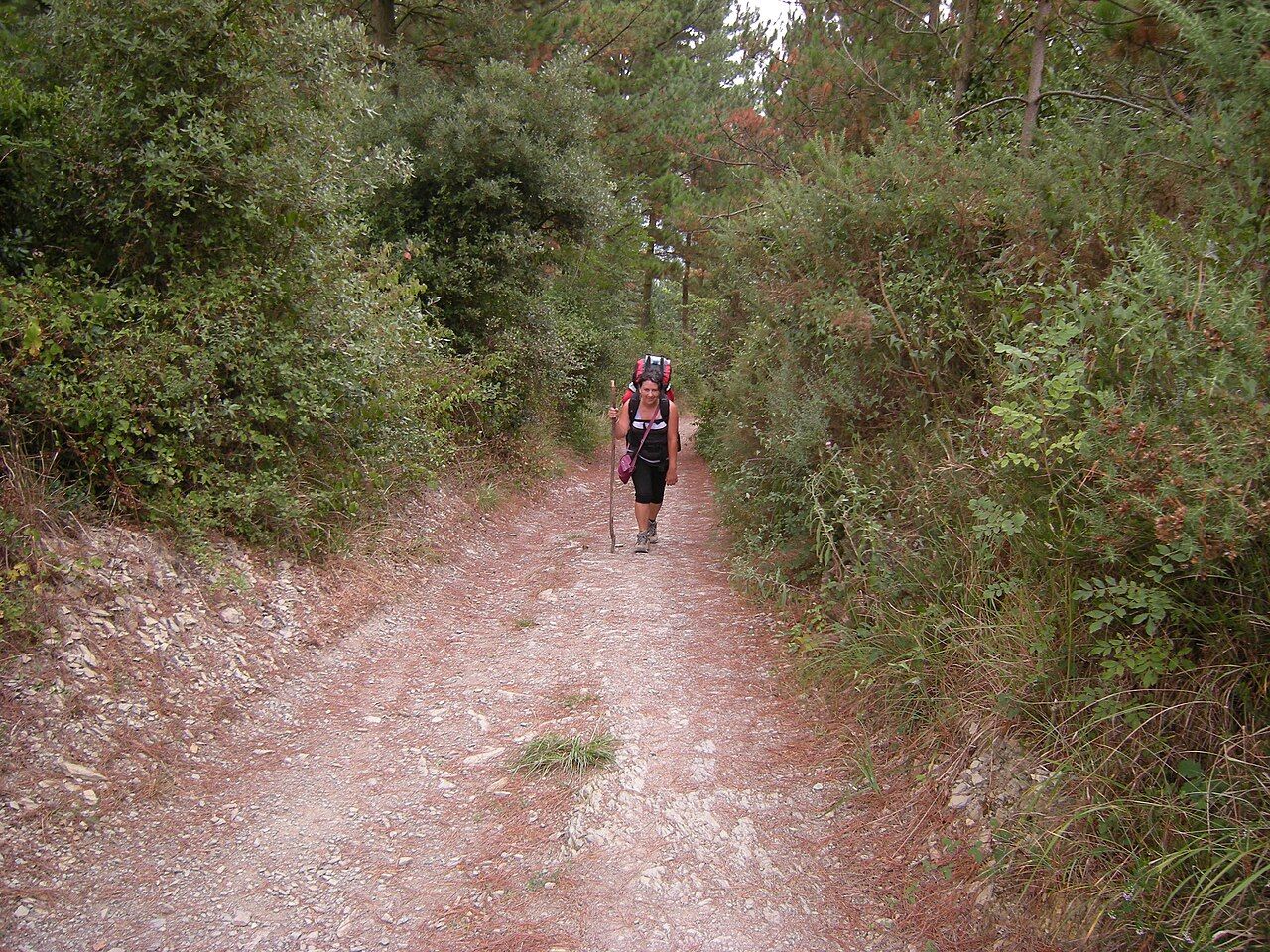
Once in Galicia, the route turns inland through Mondoñedo, an old cathedral town. That turn changes the balance again. The coast remains the route’s defining opening, but it is not the whole story or the final approach.
The Camino del Norte joins the Camino Francés at Arzúa, about 40 km from Santiago. That is a clear meeting point, and a late change in company for the route. The northern way arrives with its own coastal miles behind it.
Other long routes make the same question worth asking in different places. the route up from Porto is another way towards Santiago, while
Still, the Norte’s strongest feature is not simply reaching Santiago. Its character lies in the passage from coast to inland country, with cities and estuaries along the way. The endpoint matters, but the route earns attention before it arrives.
For walkers weighing the options, the climbs deserve honest billing. The Camino Francés is less hilly; the Norte has frequent rises between coves and headlands. Neither fact settles the choice, but it does make the Norte’s appeal more specific.
I would choose this route for variety, not ease. Its coast is compelling because it refuses to stay one thing, and the inland finish gives that change a proper shape.
The Camino del Norte is a better argument for variety than comfort.