Long Lines
The Canadian: Four Nights Across a Country
Four nights from Toronto to Vancouver gives The Canadian time to make its case: lakes, distance, and the Rockies, with little point in hurrying.
- Length
- 4,466 km
- Usual time
- 4 nights
- Travelled
- by train
A lake appears, then another, and the line carries on. Through northern Ontario, thousands of Canadian Shield lakes pass beside The Canadian. The view makes its argument without much fuss: this is a journey built around distance.
Four nights is a long commitment to one view. It is also the reason this train earns attention. The route gives the country time to unfold, instead of reducing it to a quick crossing between Toronto and Vancouver.
I like a journey that does not pretend every mile needs a new attraction. Here, the changing scale does enough. My thermos of tea comes along in thought, at least: a small, steady pleasure for a crossing this long.
The Canadian Pacific Railway launched the train in 1955. VIA Rail took it over in 1978. Those dates give the journey a useful frame, though the landscape remains its stronger case.
There is a temptation to measure the trip by its endpoints. Toronto and Vancouver make the distance easy to name. But the better measure is how long the landscape holds attention, and how often it changes its terms.
Four nights make the country's scale impossible to ignore.
That sentence is the whole appeal, and the whole difficulty. Four nights make the country's scale impossible to ignore. A shorter trip might sound efficient, but efficiency is not the point here.
The line through northern Ontario has the clearest visual refrain. Lakes return, one after another, across the Canadian Shield. The repetition could sound monotonous on paper; from a moving train, it gives the journey its own patient rhythm.
It is worth staying with that rhythm rather than demanding constant novelty. I would rather watch the pattern build than invent excitement where none is needed. The thermos of tea helps make the slow stretches feel deliberate, not wasted.
The numbers: about 4,466 km; four nights; by train. The journey is substantial before the first view has had time to settle. That is not a complaint, but it does set expectations.
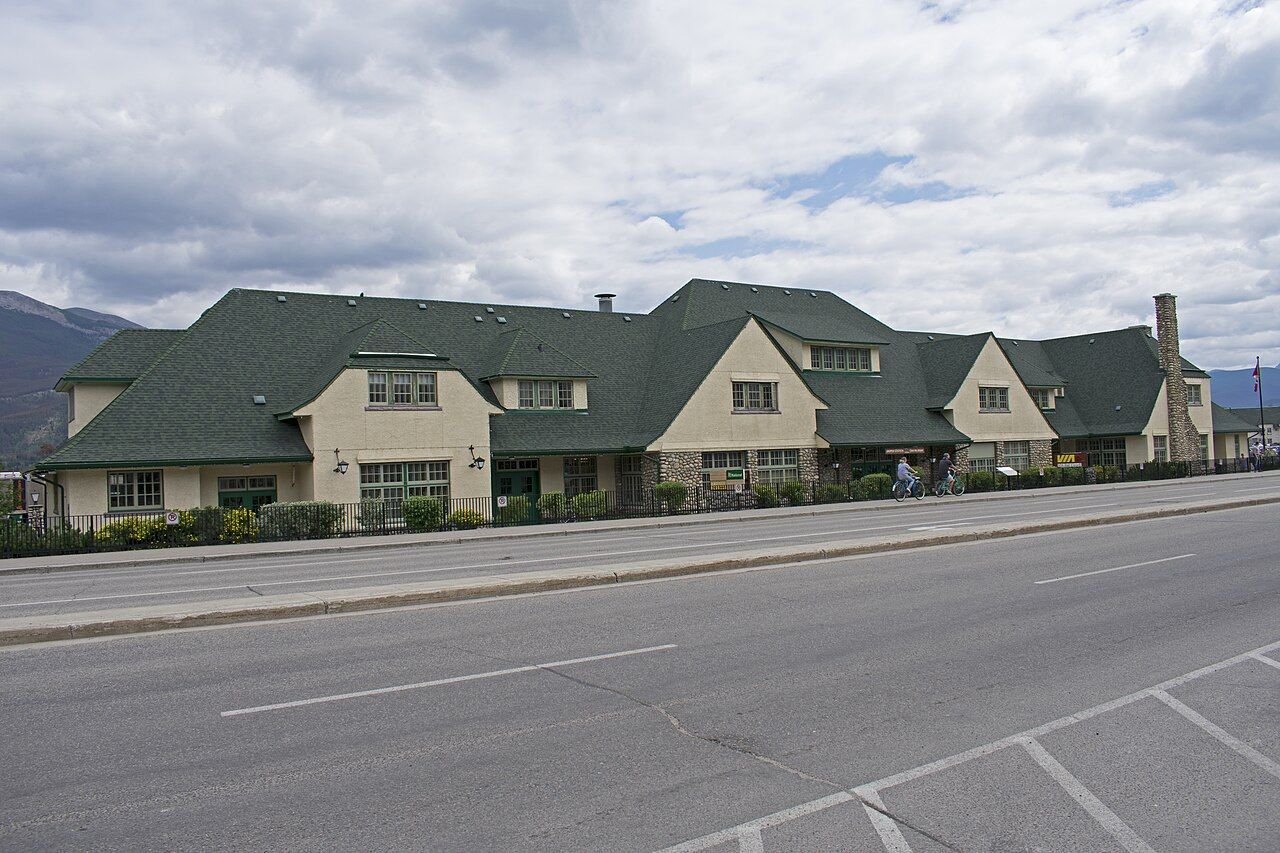
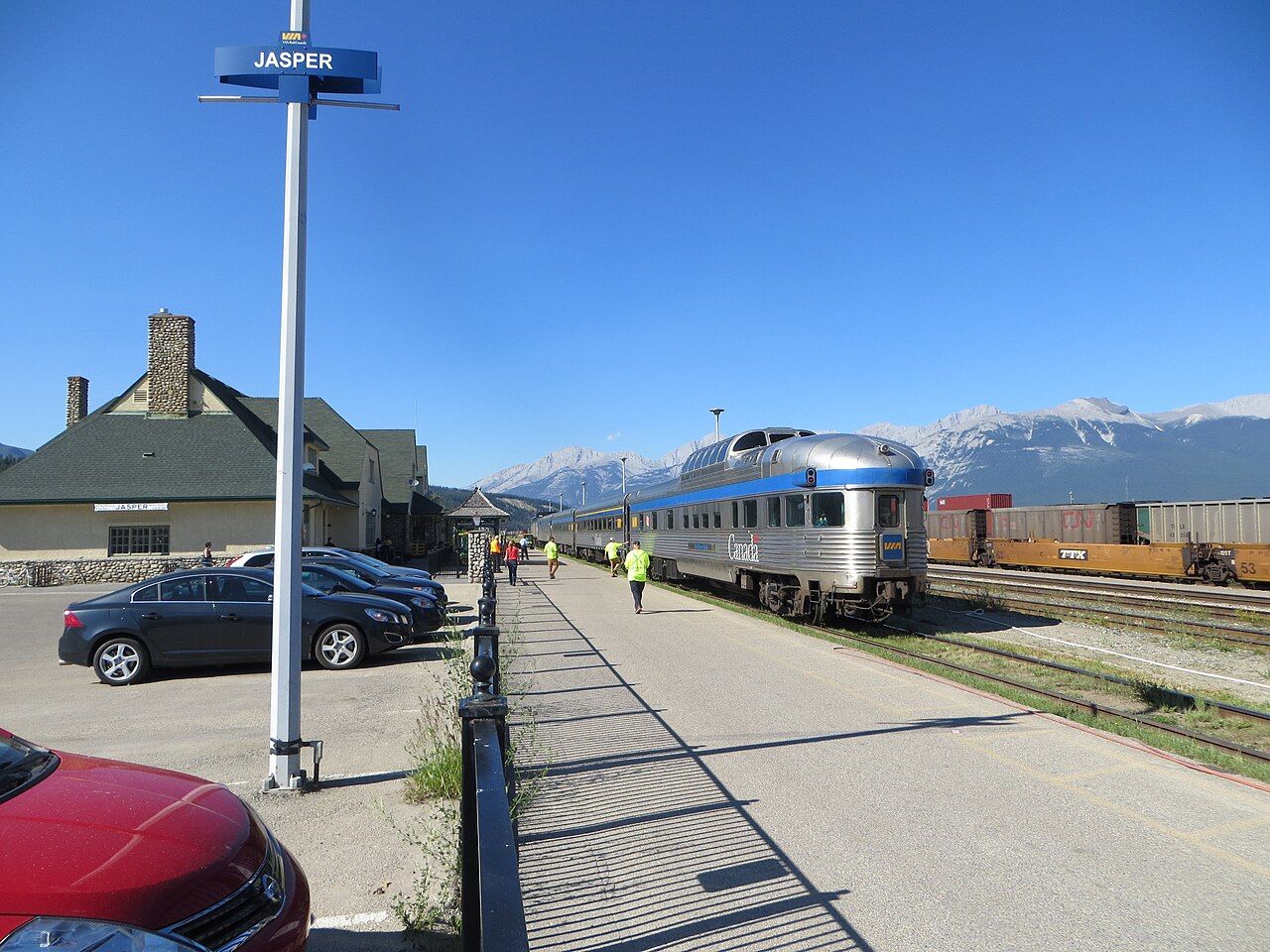
Since 1990, The Canadian has run through Winnipeg, Saskatoon, Edmonton and Jasper. The names mark the route across a very large country. They also remind me that this is not simply a line between two cities.
The middle of the journey matters. Four nights would feel excessive if the only reward were arrival. Instead, the route makes time part of the experience, and the passage itself becomes the reason to go.
That is also where the train’s appeal narrows. Anyone wanting a brisk transfer will find the length hard to romanticise. I prefer the slower bargain: give the landscape hours, and let the journey take its time.
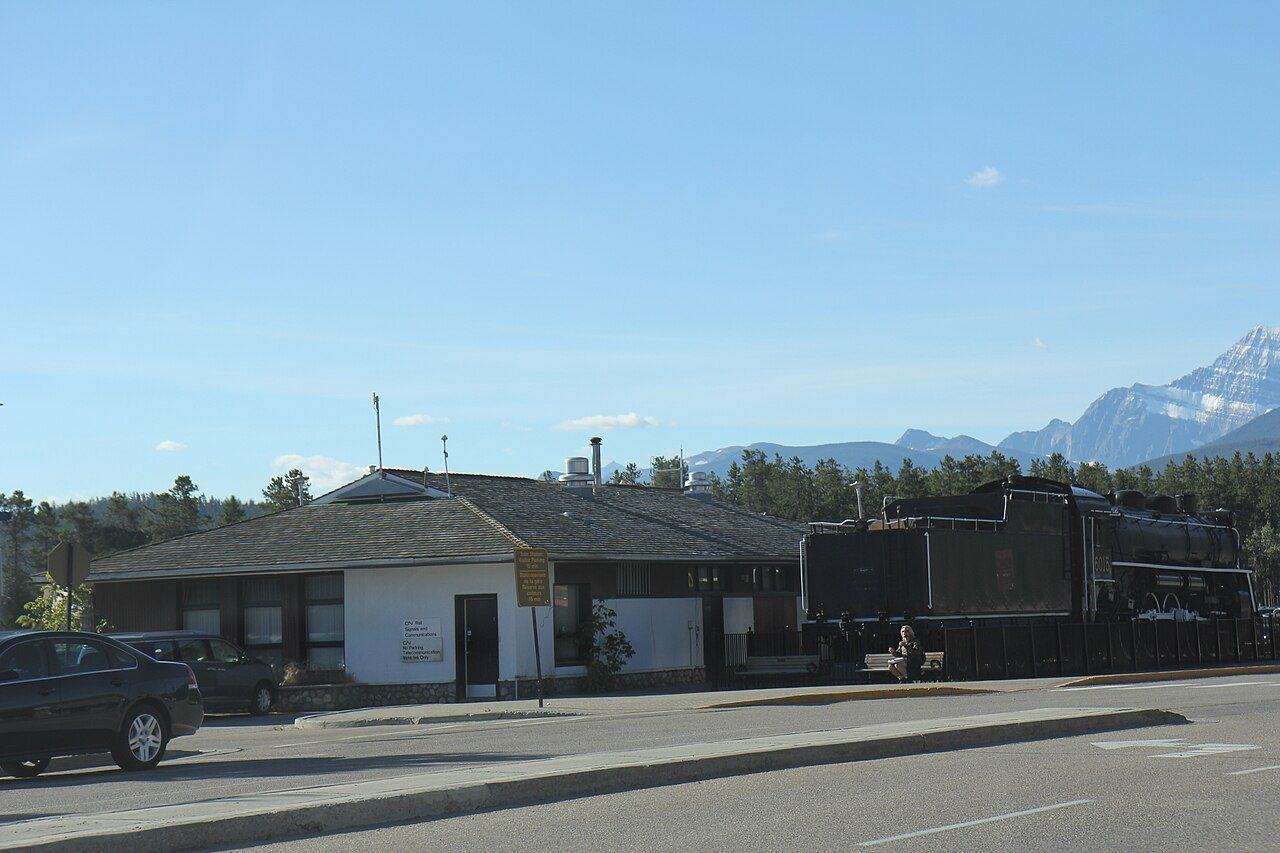
From Jasper, the line crosses the Rockies by the Yellowhead Pass, at about 1,131 m. That is a precise figure, but the impression is less tidy. The crossing gives the journey a new scale to consider.
West of Jasper, Mount Robson stands beside the line. At 3,954 m, it is the highest peak in the Canadian Rockies. The fact is striking; the setting beside the railway makes it feel especially close to the route’s story.
The name the Spiral Tunnels in Yoho belongs in the wider conversation about railway crossings. The Canadian’s own passage through the Yellowhead Pass is the detail that matters here. I would not trade that route for a list of engineering curiosities.
There is no need to pretend every part of four nights carries equal force. The lakes establish the mood; the Rockies change it. That contrast gives the crossing shape, and keeps the long distance from becoming one long sameness.
A thermos of tea is a better companion than another demand for diversion. It suits the journey’s unhurried terms. I like the simplicity of that arrangement: landscape, time, and something warm to drink.
For comparison, week from Moscow to Vladivostok gives another long railway crossing its own measure. The Canadian does not need to compete with it. Its appeal lies in this particular route, and the time taken to cross it.
Likewise, Scotland's great railway journey has a different sound beside this vast crossing. The Canadian asks for a different kind of attention: less a quick highlight reel, more a sustained look at distance.
That is not a universal recommendation. Four nights is a lot of time to give any journey. But the length feels earned when the lakes and mountains are not treated as background to getting somewhere else.
Timetables are published by the national passenger railway at viarail.ca. That practical fact sits neatly beside the larger one: the full journey takes four nights. There is no clever shortcut around the time involved.
My verdict is favourable, with one qualification. The Canadian is for people who want the crossing itself, not just the arrival. If that sounds too slow, the train will not talk anyone round.
At the end, the thermos is still part of the picture. The line has carried the view from lakes to mountain country, and the journey has taken its time. I would pour the last tea and let the distance finish its thought.