Long Lines
The Trans-Siberian Railway: Moscow to Vladivostok
A long railway, a century of construction, and about a week without stopping. The appeal lies in the distance, not in pretending it passes quickly.
- Length
- 9,289 km
- Usual time
- about 7 days
- Travelled
- by train
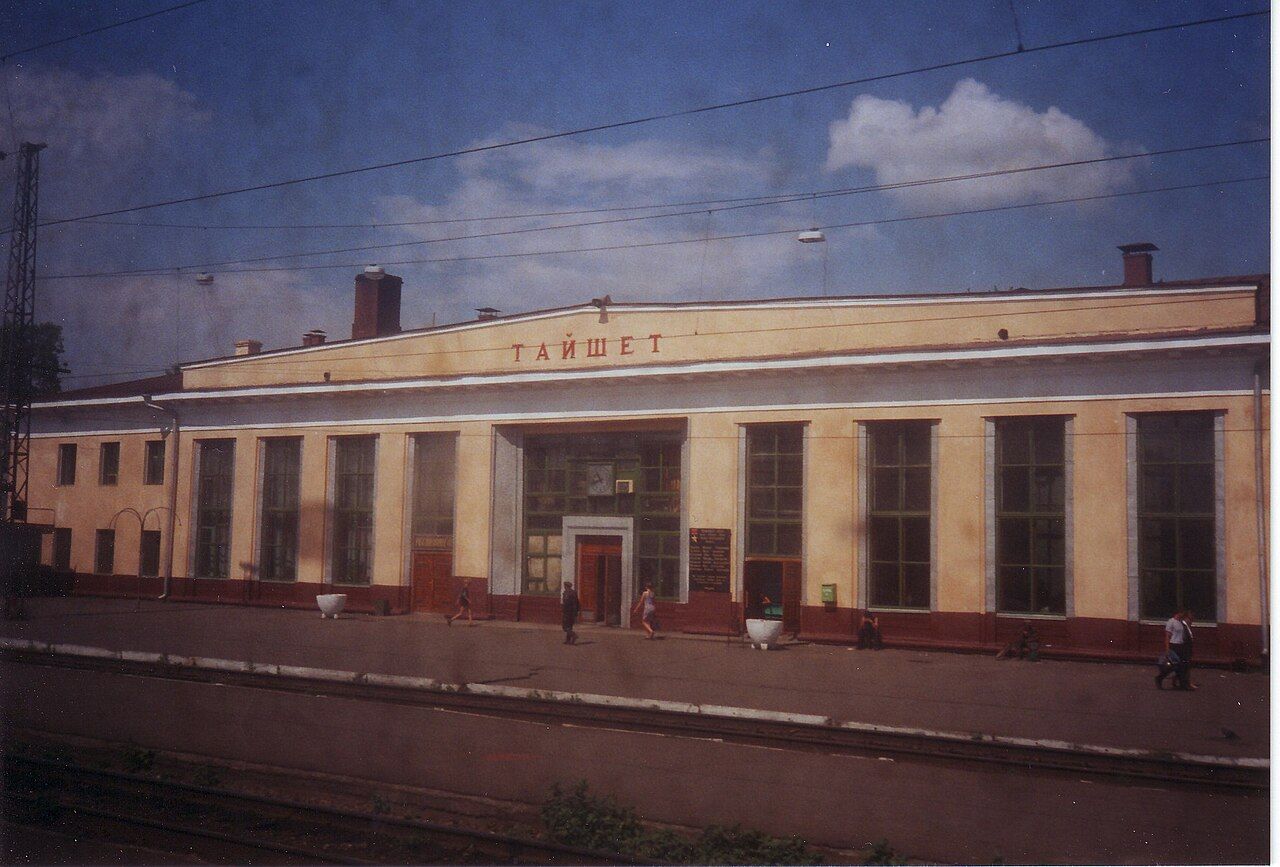
Moscow sits at one end of the sentence; Vladivostok sits at the other. Between them, the railway makes distance impossible to ignore. The journey takes about a week without stopping. That is not a quick link between places. It is the subject itself.
There is a particular appeal in a line that refuses to be hurried. The Trans-Siberian runs about 9,289 km across Russia, crossing the Urals and Siberia. A thermos of tea seems the right companion to that scale. It gives the hours a small, practical measure, without pretending they need filling.
The long days across the taiga are part of the point. Not every stretch needs a fresh spectacle to justify itself. A railway this long asks for patience, and patience is a better response than expecting constant drama. I would rather settle into the duration than keep asking when the next highlight arrives.
The line
Construction began in 1891. That start date gives the railway a history older than the completed route. The last section, along the Amur River, was completed in 1916. Those dates make the line feel like an undertaking measured in years, not just kilometres.
The route crosses the Ural Mountains between Europe and Asia near Yekaterinburg. That crossing gives the journey a clear change of frame, even if the railway does not turn it into a ceremony. A boundary on a map is useful. The better story is the line continuing across it.
Irkutsk, the largest city near Lake Baikal, lies on the Trans-Siberian. Its place on the route is a reminder that the railway’s story is not only about endpoints. The name also brings to mind the lakeside line at Baikal, a related idea worth keeping in view without confusing it with this long crossing.
At Khabarovsk, the line crosses the Amur River on a long bridge. It is a precise fact, and enough to make the crossing matter. The railway does not need invented drama around it. A long bridge across a named river already gives the journey a moment of scale.
Distance is the railway’s strongest argument, and its least forgiving one.
Distance is the railway’s strongest argument, and its least forgiving one.
The route’s history is not a decorative preface. It explains why the line feels so substantial. Construction began in 1891, and the final section came much later, in 1916. Between those dates sits a project that was not finished in one gesture. That is a better story than treating the railway as a simple line drawn across a map.
The numbers
The numbers: 9,289 km; about 7 days; by train.
About a week without stopping is a useful measure, but not a promise of ease. Time here is not a gap to be conquered. It is the main condition of the trip. The best approach is to accept that the railway will take the time it takes, rather than judging it by how quickly it reaches the far end.
Vladivostok is seven hours ahead of Moscow. That difference makes the endpoints feel further apart in another way. The journey crosses distance on the ground, while the clock marks a separate shift. I like that detail because it keeps the scale concrete without requiring grand language.
A long railway can invite comparisons, though comparisons only go so far. The thought of Canada's transcontinental train comes readily, but this route has its own history and its own measure of time. The useful comparison is not which journey wins. It is how differently a country feels when distance becomes the central fact.
There is also the branch through Mongolia to consider. Even as a passing thought, it shows how a railway can suggest other lines beyond the one being followed. The main route remains clear: Moscow to Vladivostok, across the Urals and Siberia. Its scale does not need extra claims to hold attention.
The long days are where a traveller has to make peace with repetition. Some of the appeal is precisely that the hours belong to the railway, not to a checklist. The thermos of tea returns to its job: a small comfort, and a reminder to stop demanding novelty.
That is also why the timing matters. About a week without stopping is a serious commitment, not a minor inconvenience. A rushed account would miss the point. The line asks for time, and the time is part of what it offers. I would not choose it for a fast arrival.
By Khabarovsk, the Amur crossing gives the journey one clear marker. Near Yekaterinburg, the Urals place Europe and Asia on either side of the route. Irkutsk brings Lake Baikal into the story. These details give the line shape, while the long stretches between them keep its scale honest.
The verdict is plain: take the Trans-Siberian for the distance, not the speed.