Long Lines
The Trans-Mongolian: South Across the Steppe
From Ulan-Ude, the route runs through Mongolia and the Gobi to Beijing. Its gauge change is a practical reminder that borders alter railways.
- Length
- about 7,600 km from Moscow
- Usual time
- about 6 days
- Travelled
- by train
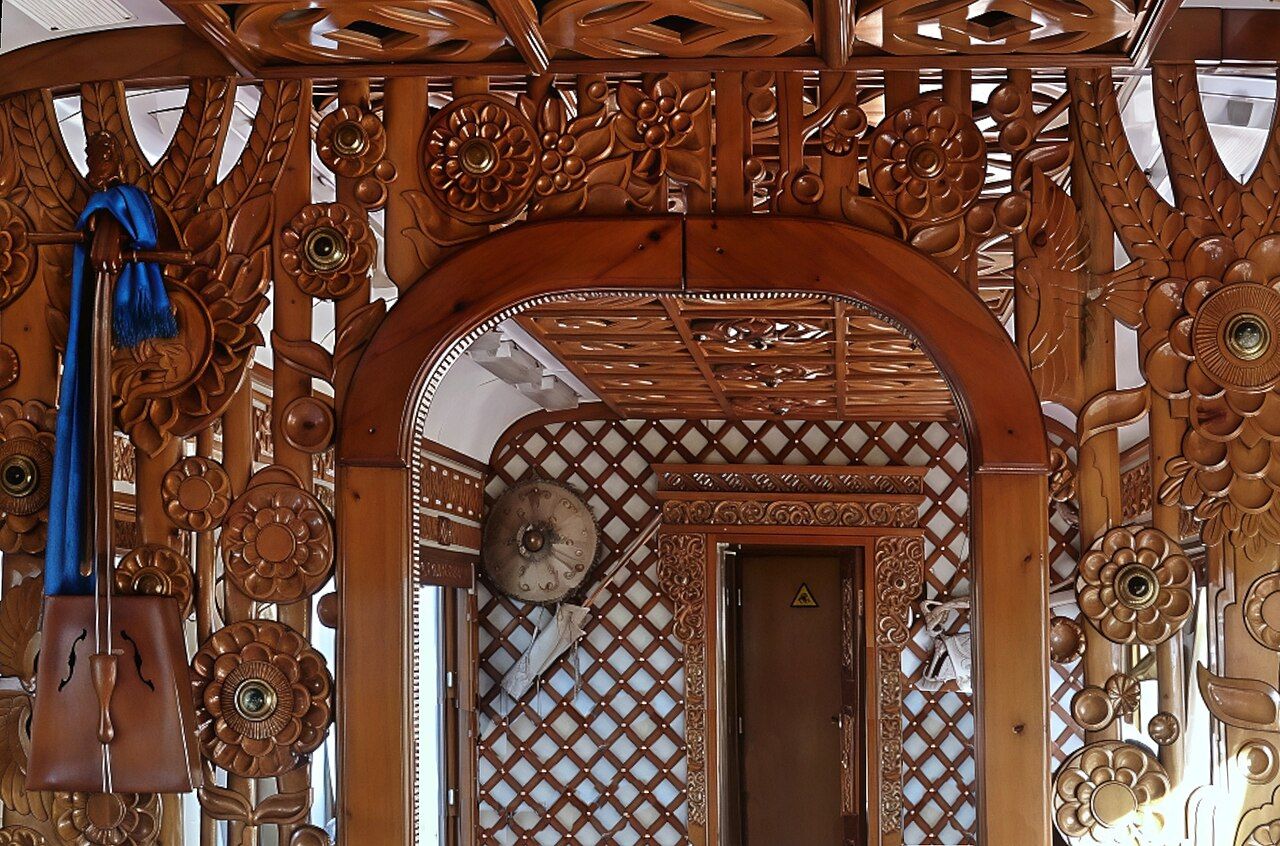
The railway turns south, and the steppe takes over. From Ulan-Ude, the Trans-Mongolian leaves the great Siberian main line for Beijing. The route has a clear shape: Mongolia, the Gobi, then the Chinese border. That makes it more than a different way south. The change of country is built into the railway itself.
It passes through Ulaanbaatar, Mongolia’s capital. South of the city, the line crosses the Gobi. The landscape is the point here, not a checklist of stops. I like routes that make distance feel like part of the story. This one has no need for extra decoration. The steppe and desert give it enough character.
The gauge change at Erenhot
The line across Mongolia to the Chinese border was completed in the mid-1950s. At Erenhot, through carriages need different bogies. Mongolian railways use the 1,520 mm gauge; Chinese railways use 1,435 mm. The hardware changes because the track does. It is an unshowy piece of railway logic, and a better detail than grand claims about adventure.
The numbers: about six days from Moscow to Beijing by train.
That duration gives the route room to settle into its own pace. A thermos of tea is my preferred travelling companion for such distances. I would rather watch the route unfold than rush through it. There is a quiet pleasure in knowing that the border brings an actual change beneath the carriage, not merely a line on a map.
Long journeys invite comparison, even when their landscapes differ. The attention given to a changing route recalls a seventeenth-century Japanese journey. The western railways have their own point of comparison in a train across the Rockies. Neither comparison needs to flatten this line into something familiar. Its particular appeal is the passage from steppe to Gobi, and onward to Beijing.
At the Chinese border, the bogies are changed for the different gauge. Then the route continues towards Beijing. I like that small, practical interruption. The thermos stays close, and the railway carries on.