Mountain & Coast Paths
The Walker’s Haute Route: Chamonix to Zermatt
Across the high passes of the Valais, this walk links Chamonix and Zermatt—and carries a name first used by nineteenth-century mountaineers.
- Length
- about 200 km
- Usual time
- about 2 weeks
- Travelled
- on foot
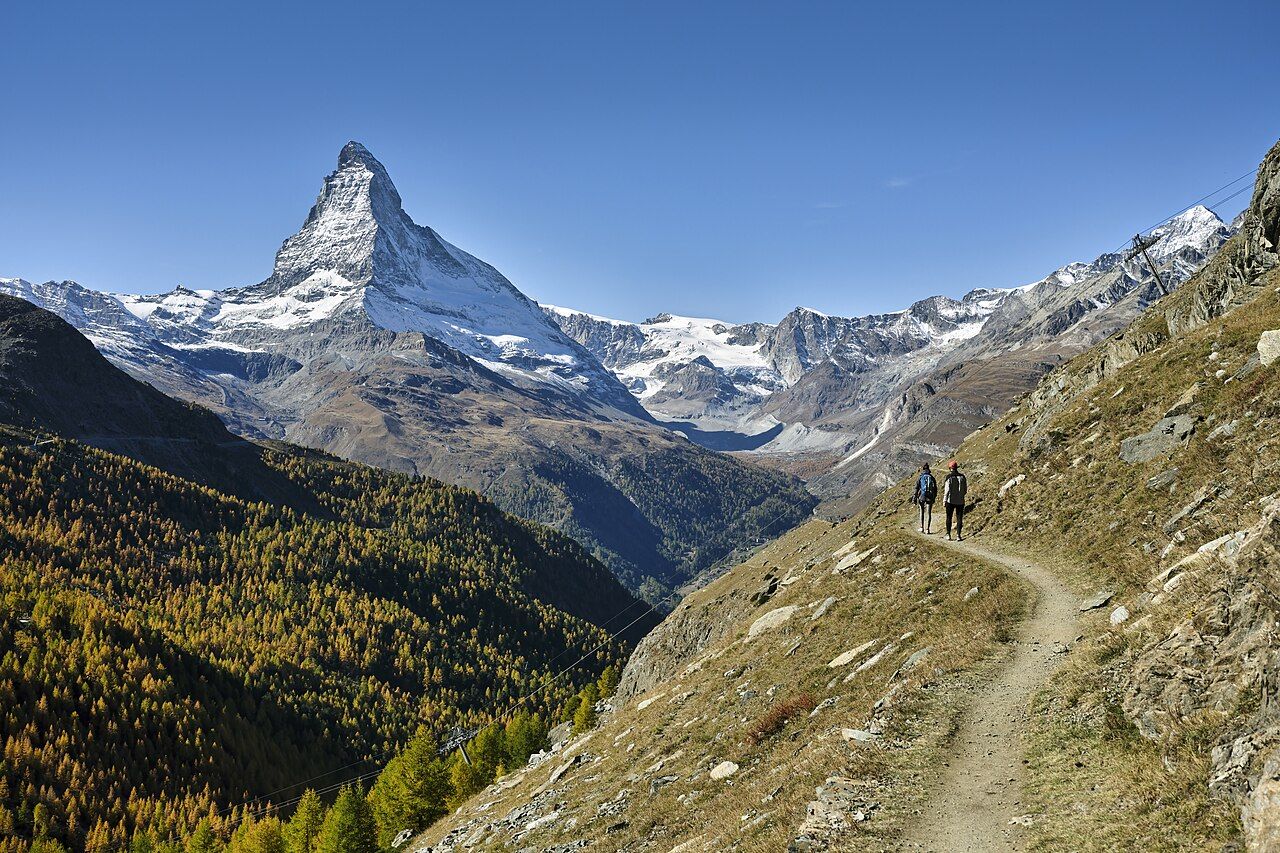
At the finish, the Matterhorn stands above Zermatt. At 4,478 m, it gives the route a blunt full stop. The Walker’s Haute Route begins in Chamonix and runs about 200 km. Between those names lie about 11 high passes. The distance sounds neat; the crossing does not. That gap is where this walk earns its name.
The name came first from mountaineers. In the nineteenth century, they used Haute Route for a high glacier route between Chamonix and Zermatt. That history gives the walk more purpose than a grand label alone. It began as a route across glaciers, not as a tidy line between famous endpoints. The modern walk keeps that ambition in its name, even as its appeal rests on the long passage over high ground.
The glacier route's name
The Fenêtre d’Arpette, at 2,665 m, is one of the first high passes. Its name arrives early, and the number makes the scale plain. I like that the route does not save all its seriousness for the finish. A thermos of tea seems the right companion for a walk whose first high pass already makes a strong claim. The tea is a small comfort; it is not the point.
From there, the route passes through the Val de Bagnes and the Val d’Hérens, in the Swiss canton of Valais. Those names give the crossing a useful shape. It is not simply a march from one mountain name to another. The high passes and valleys make the route feel like a whole passage through the Valais. I would take that over treating the Matterhorn as the only reason to walk.
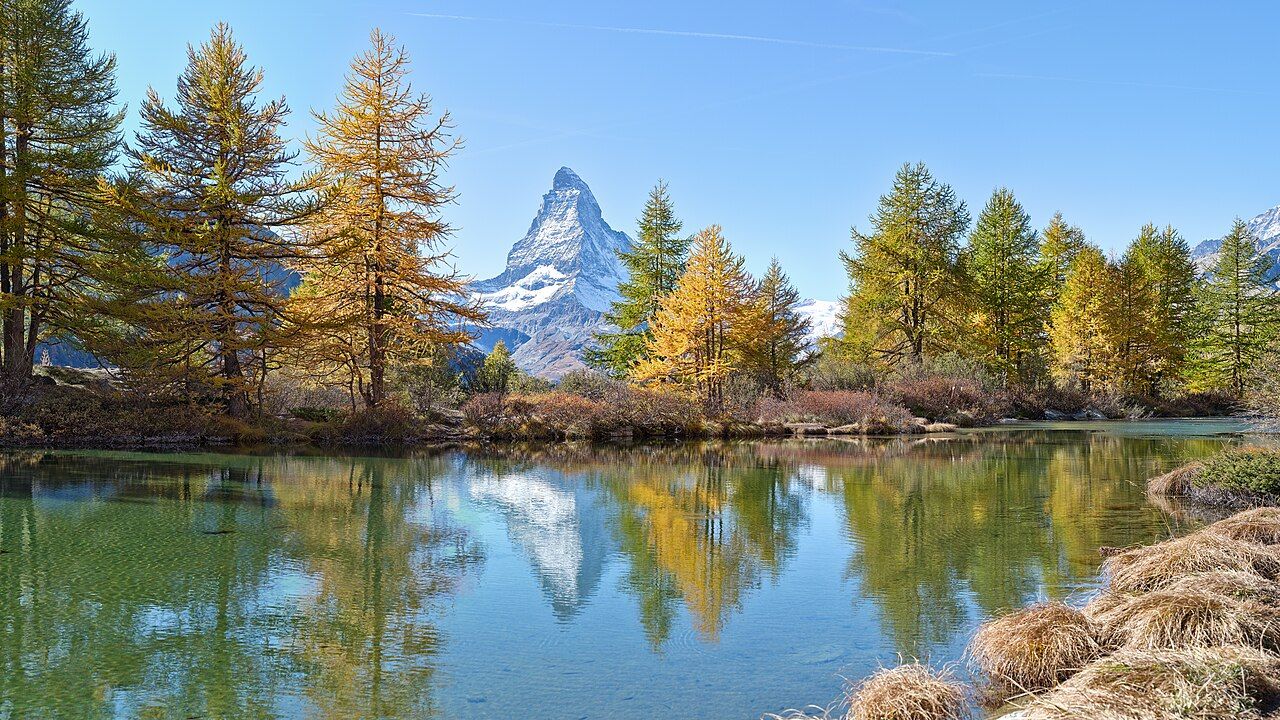
Most walkers take about two weeks to complete it. That is the right scale to keep in mind: this is a crossing, not a quick approach to a famous finish. The figure is more useful than a heroic mood. A thermos of tea suits the patient version of the story better, too. I like a route that asks for time and does not pretend otherwise.
The the pilgrims' Alpine pass makes a useful counterpoint in the language of Alpine journeys. Here, the name belongs to mountaineers and a glacier route. The walk from Lago di Braies suggests another kind of title; this one points directly back to Chamonix and Zermatt. Neither comparison needs to carry the story. The old name already does enough work.
Zermatt is closed to ordinary petrol and diesel cars. The walk ends there, beneath the Matterhorn, while the line that starts in Zermatt offers a different way to leave. I like that contrast: the route earns its ending on foot, then leaves the next choice open.
There is no need to make every pass sound sublime. The figures are strong enough, and the old name has real weight behind it. About 200 km, about two weeks, and about 11 high passes: that is a serious walk, not a slogan. My thermos would come along, but the verdict is simpler. This is a route worth taking for the crossing, not just the Matterhorn.