Pilgrim Ways
The Via Francigena through Tuscany
About 380 km on foot, from Lucca’s walls to the Val d’Orcia. The route’s strongest case is its sequence of places, not a claim that nothing has changed.
- Length
- about 380 km in Tuscany
- Usual time
- 2-3 weeks
- Travelled
- on foot
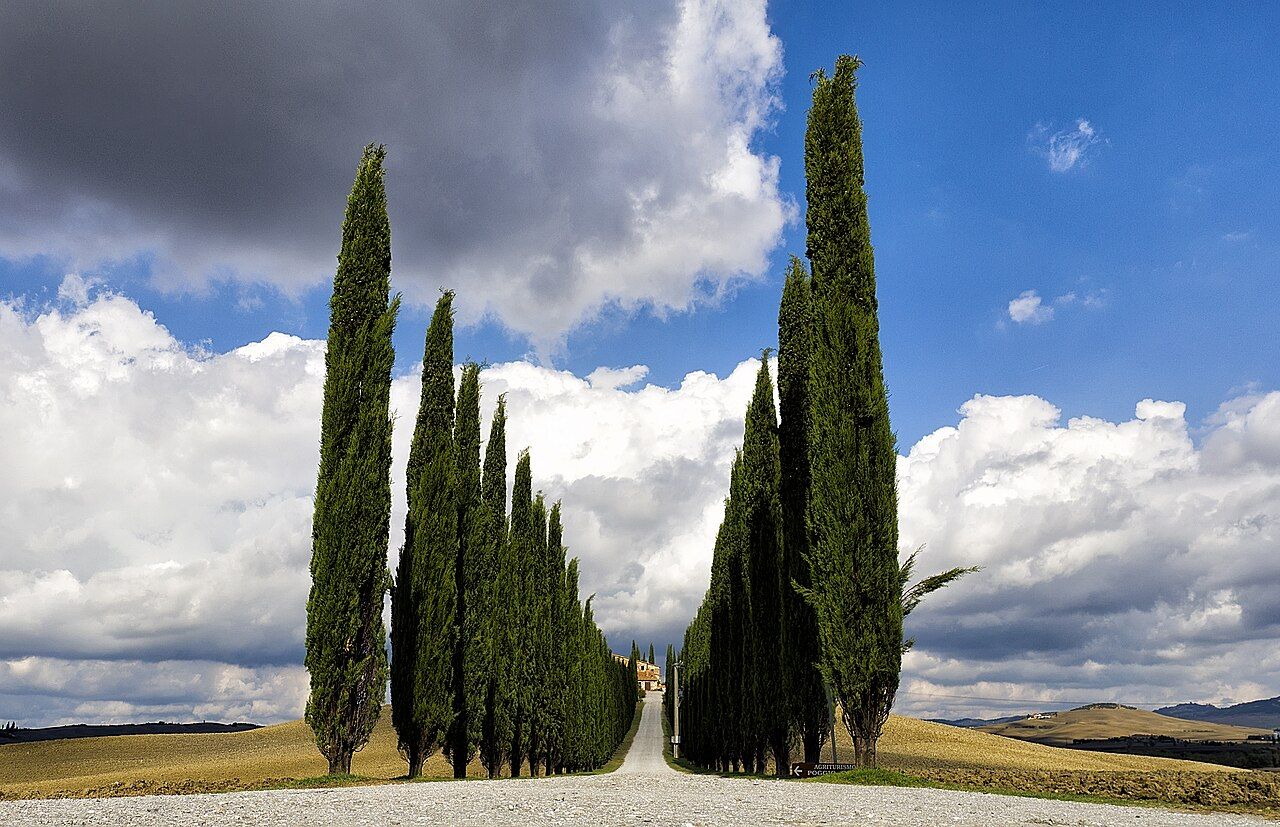
About 380 km of the Via Francigena lie in Tuscany. It usually takes 2-3 weeks to walk them. That is a substantial stretch, and its appeal is not a claim that nothing has changed. The better case is a sequence of places where history remains visible.
Lucca makes a strong beginning. Sixteenth- and seventeenth-century walls enclose the city for about 4 km. Their tree-lined promenade follows the old boundary. I like a route that starts with something this solid: no grand promise, just a wall worth walking.
This Tuscan stretch belongs to the long road from Canterbury. In the towns, that larger story becomes less abstract. There are walls, towers and a route with a documented past. My thermos of tea is a modest counterweight to all that history. I prefer the small details to grand accounts of pilgrimage.
San Gimignano keeps more than a dozen medieval tower houses. UNESCO recognises its historic centre under World Heritage status. The towers give the place an unmistakable outline. More importantly, this is not merely a name on a route. The historic centre gives the walk a worthwhile pause.
Other walks offer a different sort of drama, including the cliff path in Liguria. Tuscany’s interest here is not cliffs, but a chain of towns and older structures. The contrast matters. A route need not offer one continuous spectacle to hold attention.
The stages
Monteriggioni is a walled village built by Siena in the early thirteenth century. It has 14 towers, a compact fact with real weight. The place changes the scale of the walk: from Lucca’s long circuit to a village whose defences remain easy to read.
The numbers: about 380 km in Tuscany; usually 2-3 weeks, on foot.
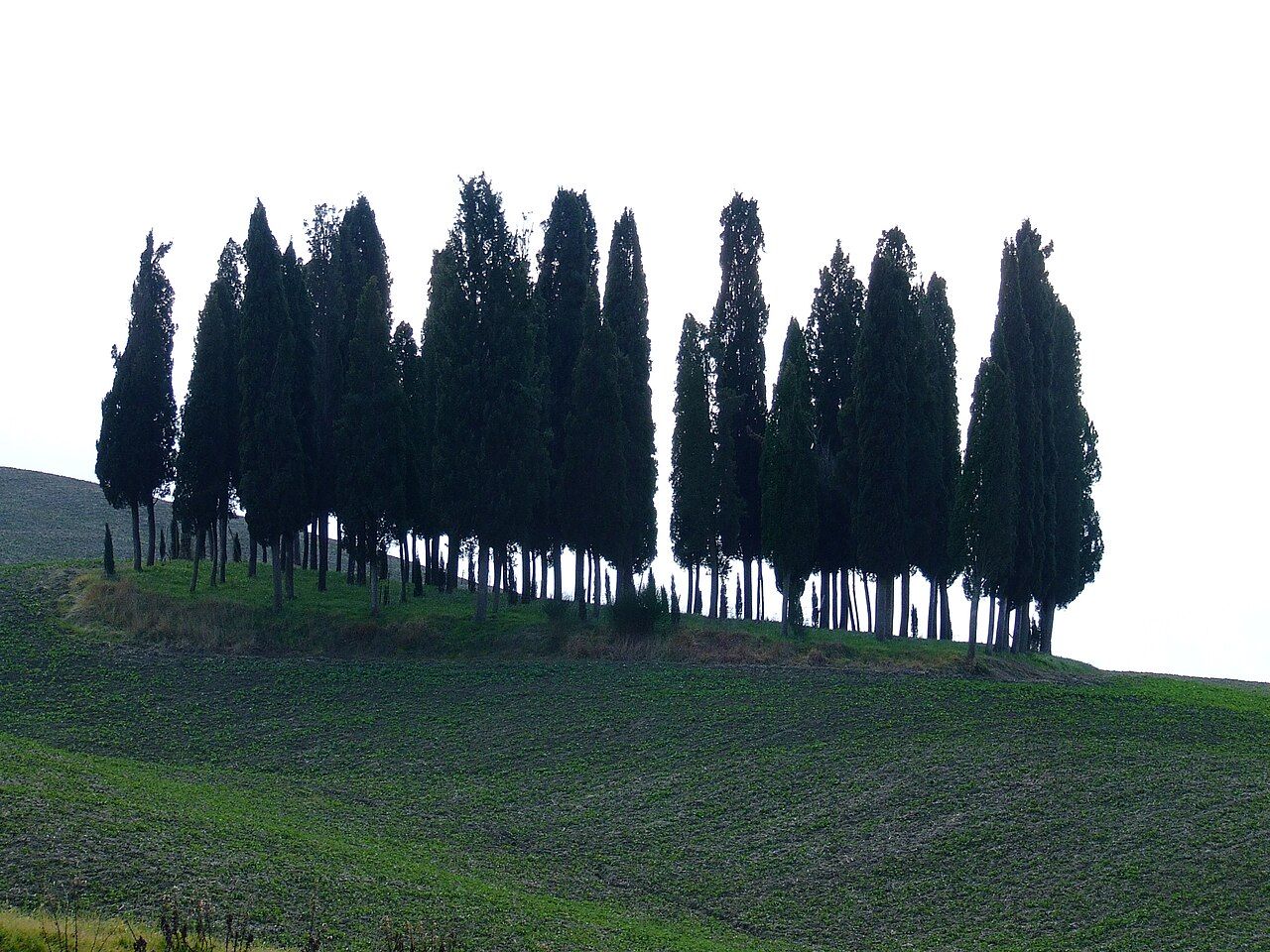
Siena deserves time, and not only for its buildings. UNESCO inscribed its historic centre in 1995. The Palio horse race runs round the Piazza del Campo on 2 July and 16 August. Those dates give the city a sharper edge than general praise could manage.
South of Siena, the route crosses the Crete Senesi, a land of bare clay hills. The change is welcome. After walls, towers and a city centre, this spare landscape gives the walk room to breathe. Here, my thermos of tea starts to seem like sensible company, not just habit.
There is a useful contrast with terraced vineyards along the Danube. In the Crete Senesi, bare clay hills set the tone. The route does not need to pretend every stage delivers the same kind of beauty. I would rather have that honest variation than one long, polished view.
UNESCO added the Val d’Orcia to its World Heritage list in 2004. San Quirico d’Orcia was a stage on Sigeric’s route and keeps a Romanesque collegiate church. Those details give the pilgrim past firmer footing than vague claims about an unchanged landscape.
At Radicofani, the fortress stands on a volcanic hill near the border with Lazio. It makes a fitting landmark on a road to Rome. The Tuscan stages work best as a succession, not as one sweeping claim about scenery surviving untouched.
My verdict: Tuscany earns the miles through its places, not nostalgia.