Walking Writers
Dorothy Wordsworth’s Grasmere Journals
From walks over the fells to the daffodils beside Ullswater, Dorothy Wordsworth’s journals make a sharp case for prose that notices.
- Travelled
- reading and on foot
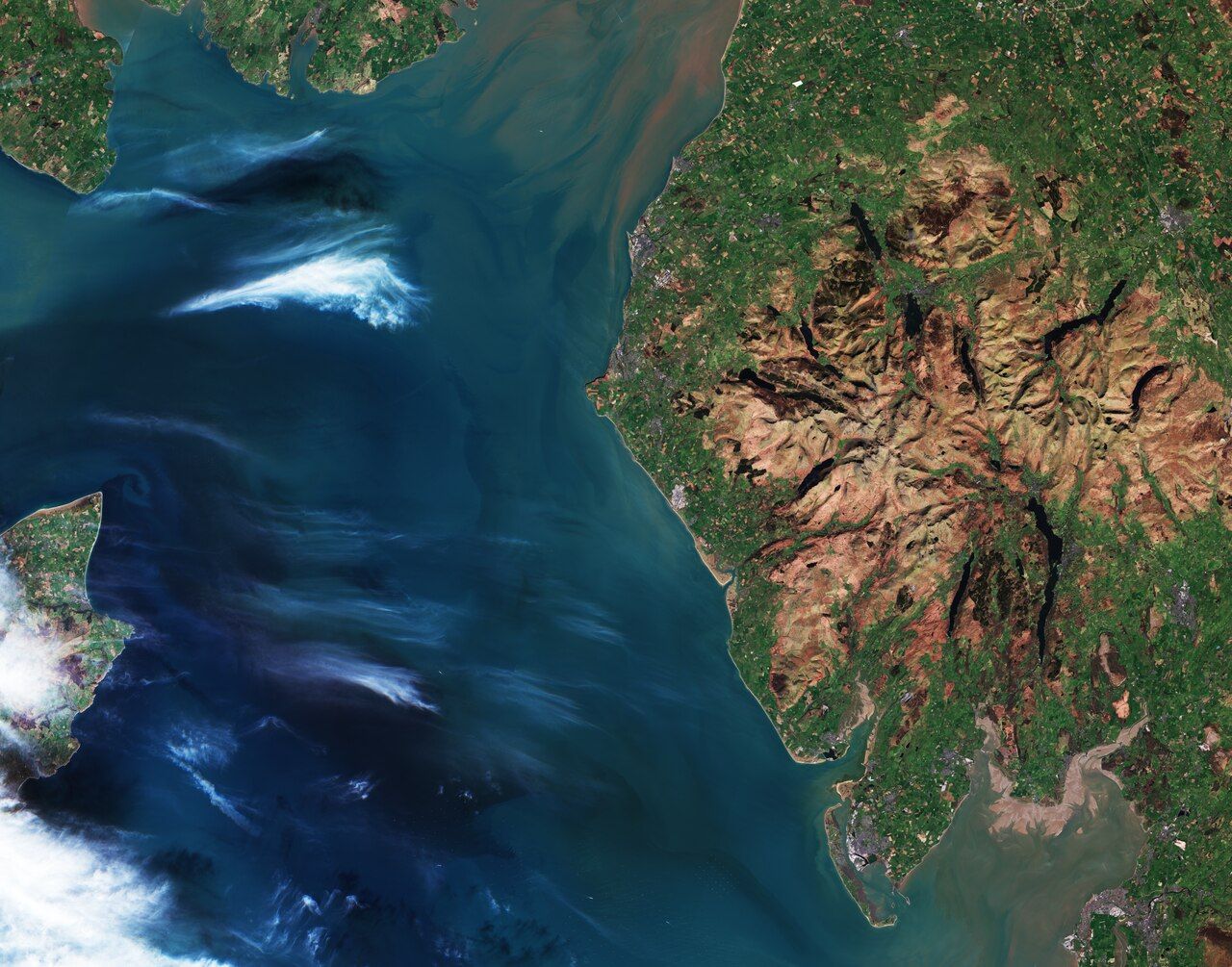
From May 1800 to January 1803, Dorothy Wordsworth kept her Grasmere journals. Their subject is not distance conquered, but attention paid. That is a better bargain than grand claims about walking. The journals give ordinary movement enough room to matter.
Dorothy and William often walked together on the road between Grasmere and Rydal. The journals also record walks over the fells to Rydal, Ambleside and Keswick. Those are useful places to begin reading: not as a route to tick off, but as the ground of a working life. I like a walk that leaves something worth reading behind.
For the setting behind these pages, there is the cottage in Grasmere. The prose matters because it does not need to announce itself. Dorothy’s description of the daffodils is thought to have helped inspire William’s poem. That is a more interesting account of literary influence than the tidy idea of a poem appearing alone. Her writing had its own value before anyone made it part of that story.
On 15 April 1802, Dorothy and William saw a long belt of daffodils beside Ullswater near Glencoyne Bay. The detail is plain, but it has staying power. A long belt beside the water gives the mind something firm to hold. The poem came later; the journal’s account remains worth reading on its own.
The numbers: May 1800 to January 1803; 15 April 1802; 1807.
On the page
William’s poem was first published in 1807. It is tempting to treat the journal as a useful footnote to the poem. That reverses the pleasure. Dorothy’s description stands first as her own act of noticing, not merely as evidence for William’s work.
For another way into walking and writing, there is poet walking to Ben Nevis. The comparison is less about matching journeys than keeping prose close to movement. And golden stone villages of Gloucestershire offers a different landscape to set beside these Grasmere pages. The point is not to make every walk alike. It is to notice what each writer chooses to keep.
Dorothy was born in Cockermouth in 1771. The Grasmere journals were first published in part in 1897, long after her death in 1855. That delay gives the pages an awkward history: they were kept in one period, then read publicly much later. I would rather meet them without treating them as a backstage pass to William.
That does not make the connection between them less compelling. Dorothy’s account of the daffodils is thought to have helped inspire his poem; the link deserves its place. But the journals are not valuable only for what another writer made from them. Their walks, their chosen details and their plain record of looking are enough.
The route between Grasmere and Rydal also resists the idea that a walk needs a dramatic finish. Dorothy and William often walked it together. That repeated passage is modest material, and modest material suits these journals. I find it more convincing than a grand account of discovery.
I read these pages best with a thermos of tea close by. Not because they ask for ceremony, but because they reward taking time. Their prose is useful company: observant without fuss, and never improved by being turned into a legend.
Dorothy’s journals are the better starting point for the daffodils.