Walking Writers
Hazlitt, Alone on the Road
In his 1822 essay, William Hazlitt argues for the freedom of travelling alone. His meeting with Coleridge gives the solitary case a human counterpoint.
- Travelled
- reading
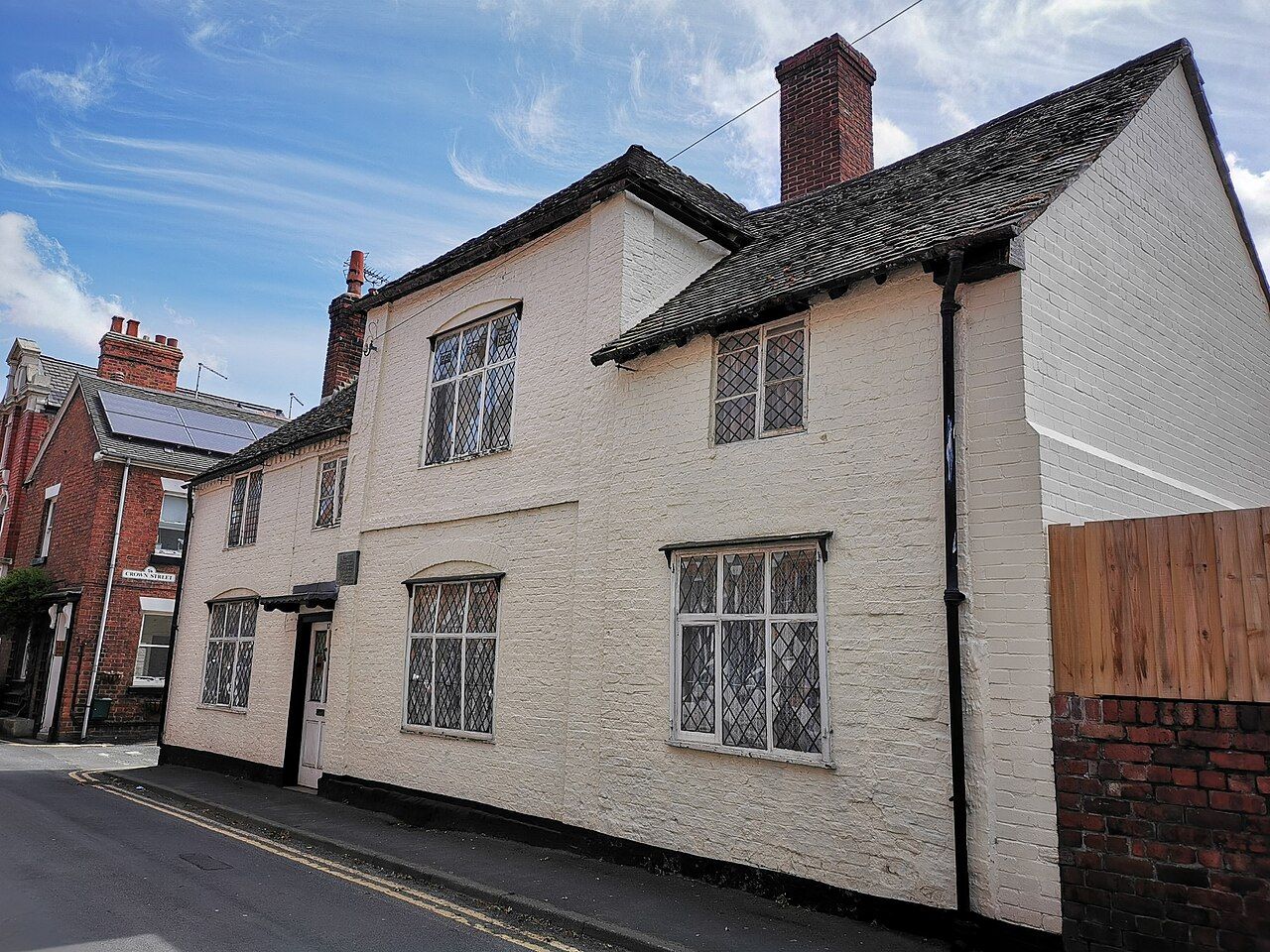
1822 is the year Hazlitt put his case for going alone into print. The essay opens without hesitation: ‘One of the pleasantest things in the world is going a journey; but I like to go by myself.’ The second half does the work. It takes a familiar pleasure and makes independence its condition.
The case
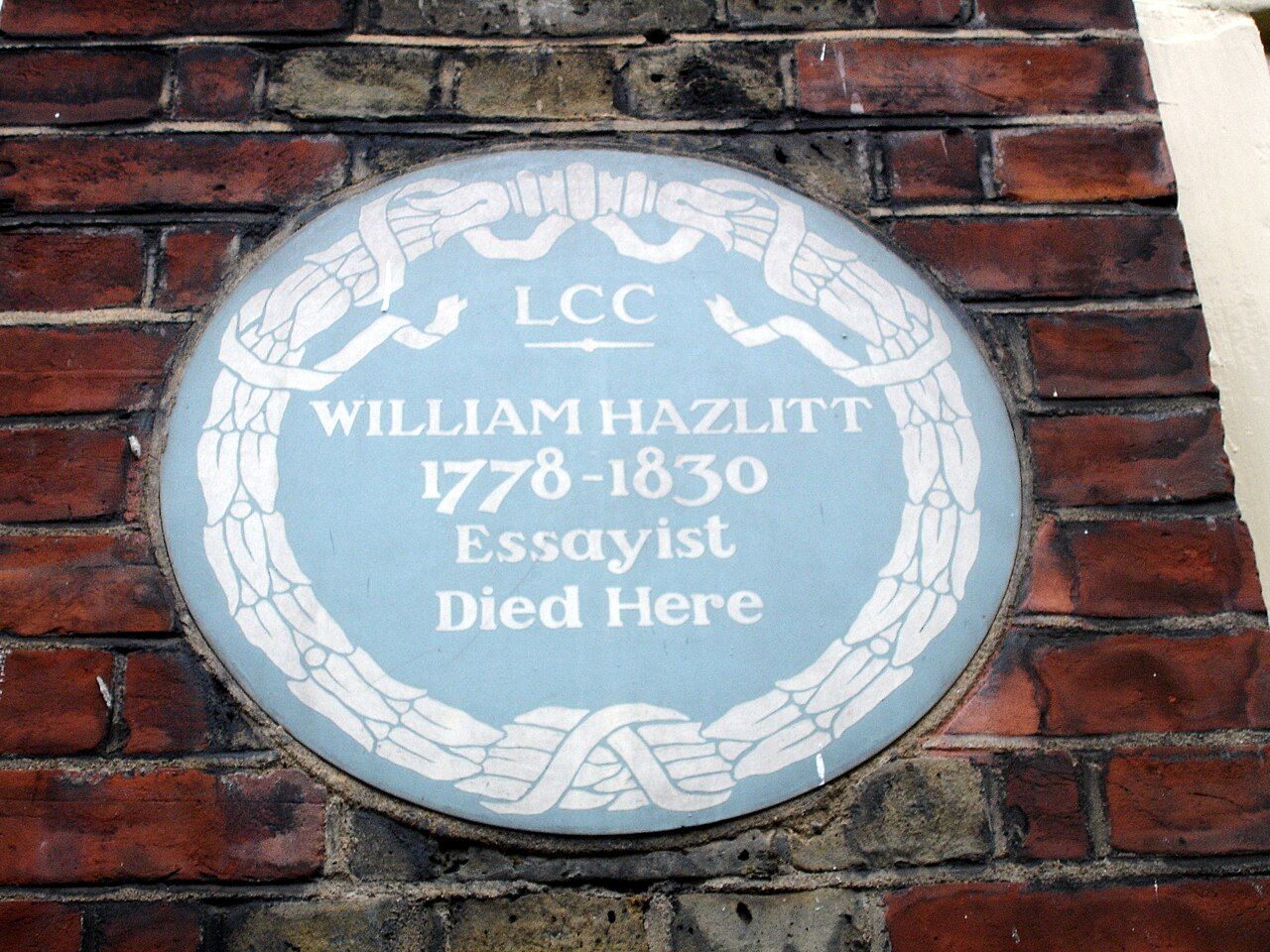
Hazlitt was born in Maidstone in 1778 and died in Soho in 1830. Those dates frame a life, but they do little to explain this essay. Its force comes from the plainness of its preference.
Then he offers a theory, and it is a good one: ‘The soul of a journey is liberty, perfect liberty, to think, feel, do, just as one pleases.’ That sentence gives this site its name. It also gives the essay its standard. A journey matters because it leaves room for thought and feeling, without anyone else setting the pace.
The pleasure here is not a list of places or a record of miles. Hazlitt’s attention stays on the freedom to follow a thought and remain answerable to no companion. That can sound like a small distinction. It is not. A shared journey brings company; a solitary one brings space. Hazlitt knows which he prefers.
There is a useful counterpoint in his life. Hazlitt first met Samuel Taylor Coleridge in 1798, when Coleridge preached at Shrewsbury. In 1823, Hazlitt published an essay describing his meeting with Coleridge and Wordsworth. A man who valued such encounters could still make a strong case for going alone. Those positions are not in conflict.
The numbers: 1778; 1798; 1822; 1823; 1830.
What lasts
‘On Going a Journey’ appeared in Hazlitt’s collection Table-Talk. The title suits the essay’s manner: it sounds like a subject raised plainly, then pursued with conviction. Hazlitt’s opening line is memorable because it refuses to pretend every pleasure improves when shared. That is sharper than another grand claim about the open road.
For a different point of comparison, there is Stevenson's donkey journey. The question of company changes how a journey feels, even when the journey itself is not the subject. The Scottish walk of a week makes another proposition. Hazlitt is less interested in the route than in who gets to decide what occupies the mind.
That question also belongs beside Wordsworth's home among the fells. Hazlitt’s essay does not argue that company has no value. It argues for the pleasure of being free from it, at least for a while. The distinction is simple, and more useful than turning solitude into a rule.
His meeting with Coleridge keeps the argument from becoming a pose. Hazlitt wrote about meeting Coleridge and Wordsworth, then praised the liberty of a journey made alone. A person can value company and still know when it gets in the way. The essay’s preference is personal, not a command.
Robert Louis Stevenson called ‘On Going a Journey’ so good that there should be a tax levied on all who have not read it. That is extravagant praise, but the essay earns attention without needing the tax. Its best point is also its simplest: company is optional, and solitude can be the pleasure.
Hazlitt’s defence of going alone remains the essay’s strongest reason to read it.