Walking Writers
Stevenson, Modestine and the GR70
A twelve-day walk, a stubbornly clear route and a book that still earns its place in the pack. The Cévennes are best read at walking pace.
- Length
- about 270 km on the GR70
- Usual time
- about 2 weeks
- Travelled
- on foot
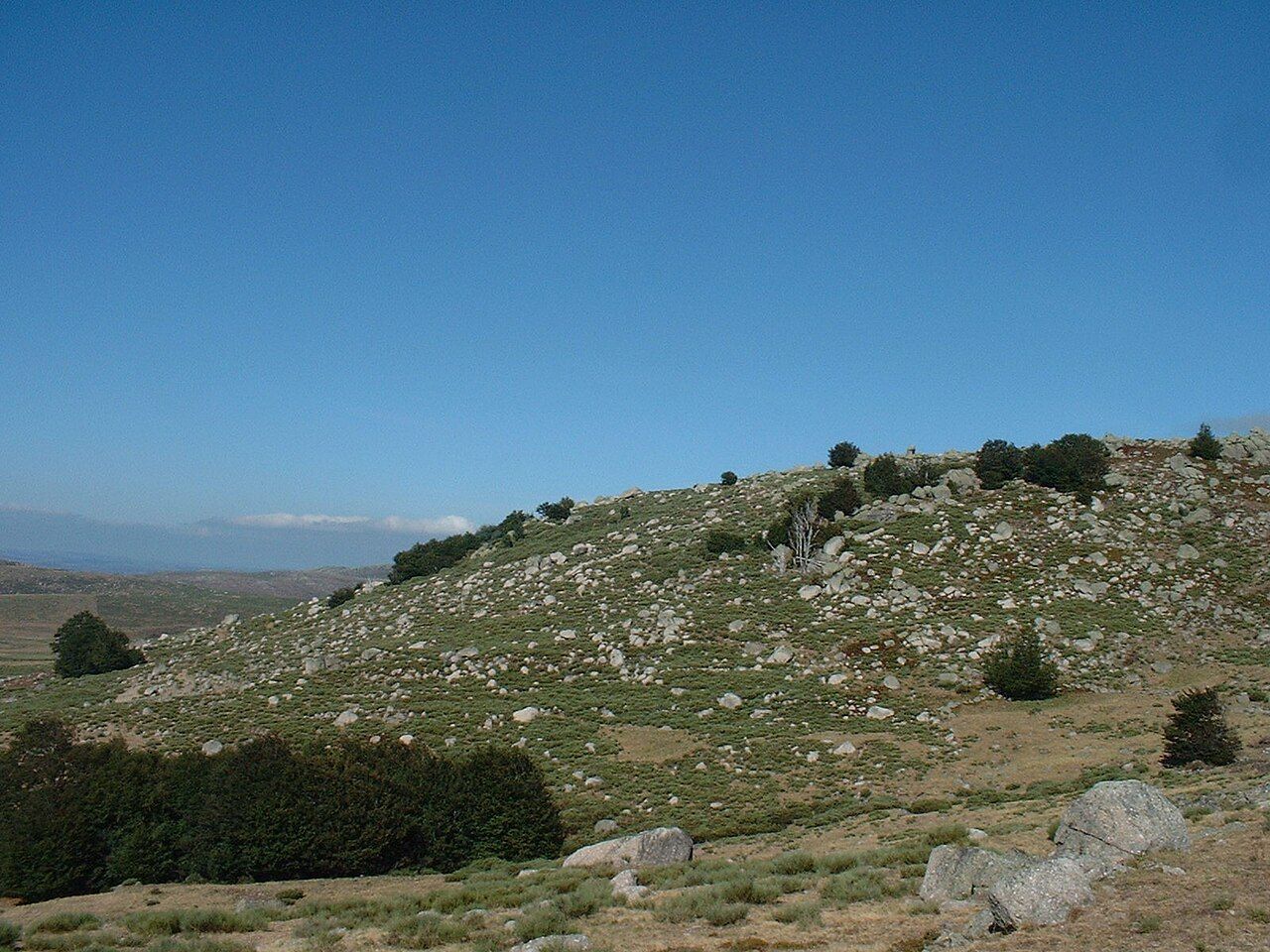
Le Monastier-sur-Gazeille is where Stevenson set out with Modestine. The road ahead now has a name: the GR70, or Chemin de Stevenson. That simple line between beginning and end gives this walk its hold. It is not just a route borrowed from a book. It is a journey with a clear measure, and a proper reason to keep going.
Stevenson walked through the Cévennes in September and October 1878. His walk lasted 12 days and covered about 120 miles. Travels with a Donkey in the Cévennes appeared in 1879. The book has outlasted the original walk, though the donkey remains an excellent part of its title. Modestine makes the journey feel less like a grand literary statement. There is something appealingly unpolished about setting off with an animal, rather than an idea.
The book gives the route a companionable voice. It also keeps the walk from becoming a tidy exercise in literary admiration. Stevenson’s journey had a beginning, an end and a donkey alongside him. The GR70 follows that route, but now starts at Le Puy-en-Velay. For walkers, that is the useful distinction: the trail is not simply a line traced from the old starting point. Its present shape has its own beginning.
Stevenson’s literary company matters too: the essay Stevenson admired sits naturally beside a journey made by walking. I like a travel book that takes its time without pretending every mile is profound. A thermos of tea suits that sort of reading. It leaves enough room for the route itself, rather than asking every bend to perform for the page.
There is pleasure in keeping the scale honest. Stevenson's walk was about 120 miles, while the GR70 covers about 270 km. The first belongs to one particular journey; the second is the route people follow now. Treating them as identical would flatten the story. The interest lies in that small gap between a walk remembered and a trail that continues.
The numbers: about 270 km on the GR70; about 2 weeks; on foot.
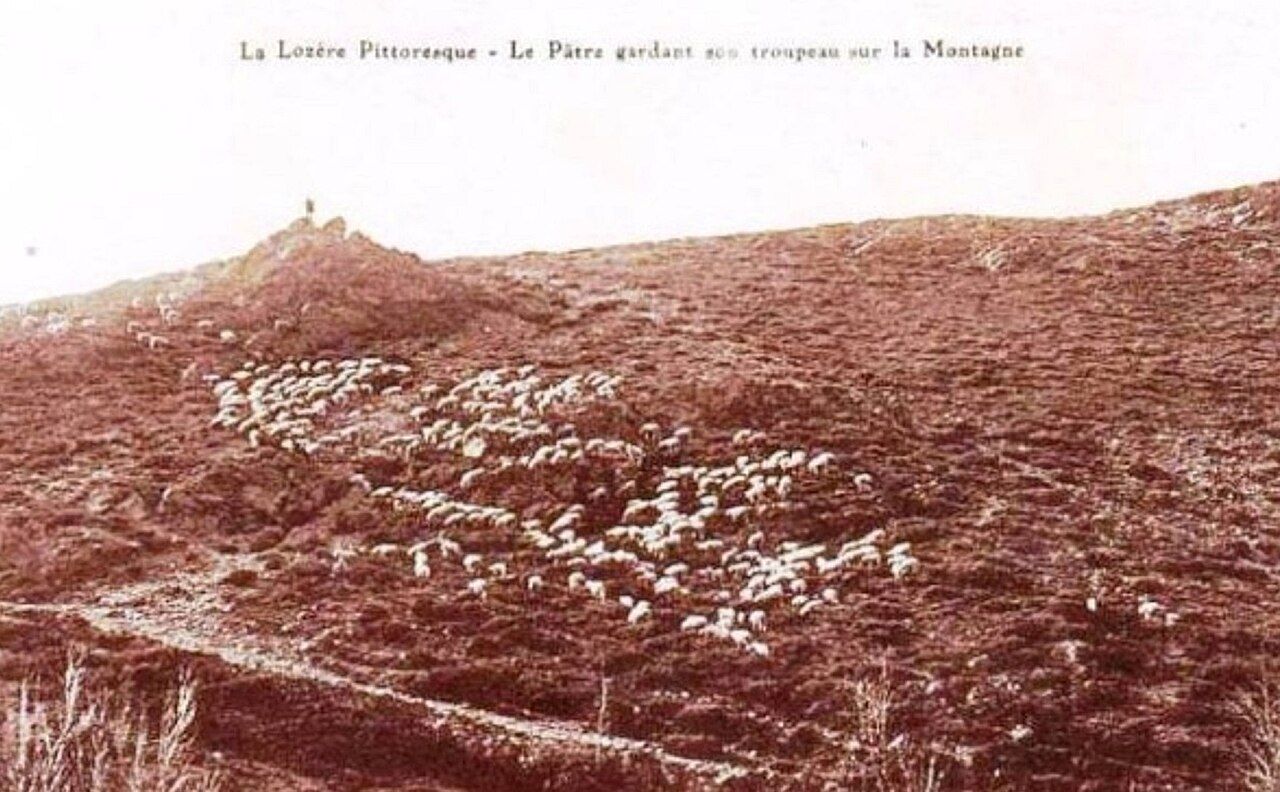
The route crosses Mont Lozère, rising to 1,699 m at the Sommet de Finiels. That gives the walk a definite high point, not merely a literary one. Mountains are good at making a route feel substantial. Still, the figure matters less than the fact that the trail must cross them. This is not a bookish detour pretending to be a walk.
Stevenson stayed at the Trappist monastery of Notre-Dame des Neiges, also called Our Lady of the Snows. The name carries a different register from the donkey and the miles. It places a pause inside the journey, with a monastery rather than a grand finish. I would rather have that contrast than a route made entirely from dramatic landmarks. A walk needs quieter passages, even when the record gives few details.
The Cévennes National Park was created in 1970. In 2011, UNESCO added the Causses and the Cévennes to its World Heritage List. Those facts give the landscape a public frame, but they do not replace the older story of walking through it. A map can show boundaries and a book can hold a voice. Neither quite tells the same thing as following a route on foot.
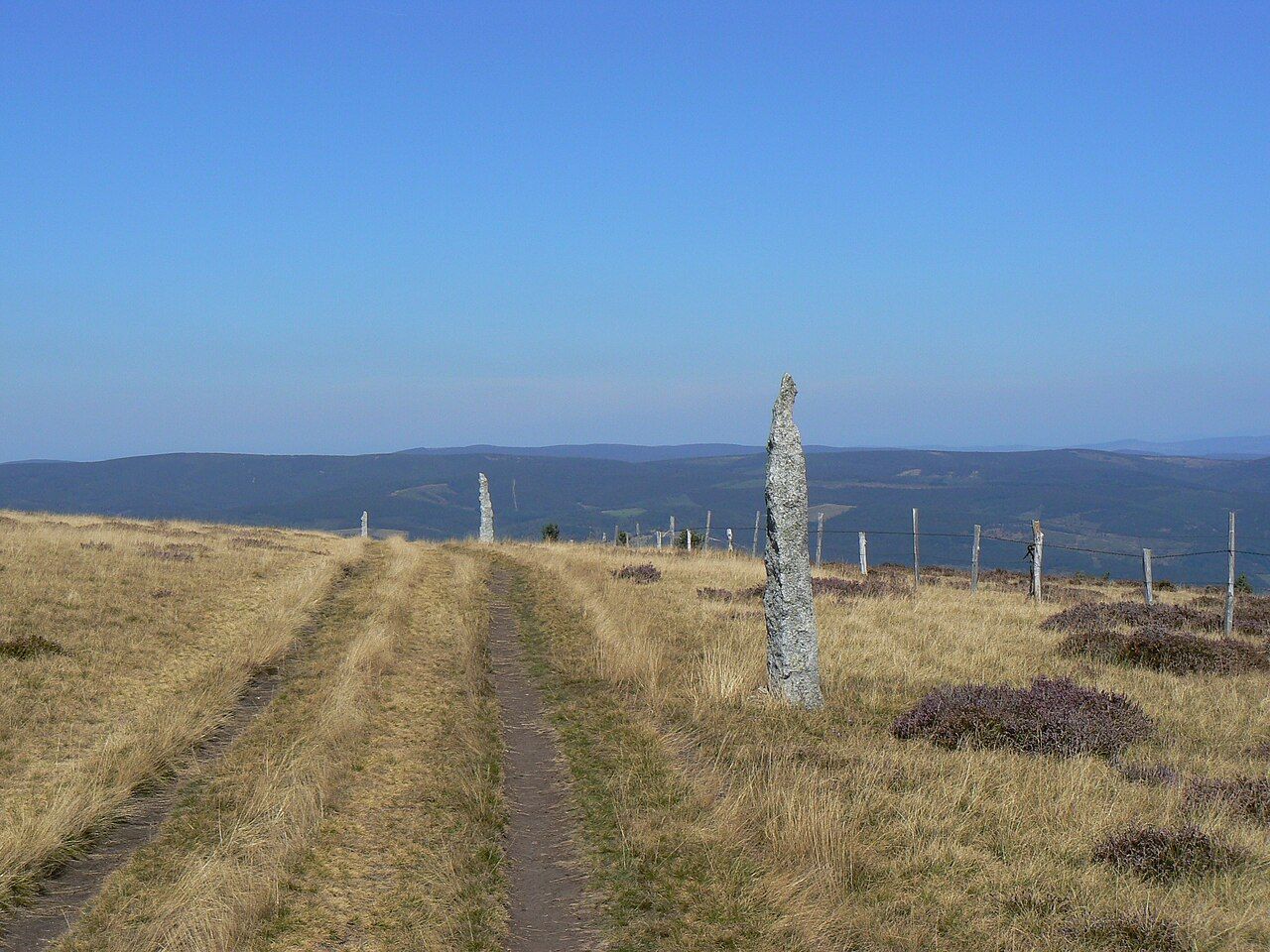
In the south, the trail crosses the country of the Camisards. They were Protestant rebels of the early eighteenth century. That history gives the route a sharper edge than scenery alone can provide. I like this part of the story best when it stays specific: a country, a name, a remembered conflict. It does not need inflated language to feel weighty.
A long walk can make the mind wander beyond its own map. I sometimes think of a canal leaving Toulouse or a circuit of three countries, then return to Stevenson’s much narrower purpose. This trail does not need to borrow scale from elsewhere. Its appeal is in the company it keeps: a book, a donkey, a mountain crossing and places with histories of their own.
That is enough material for a walk with proper character. The GR70 offers a present route, while Stevenson’s account keeps the older journey close. The two are related, not interchangeable. I would take the book seriously, but not worship it. A route should be walked for what it is, as well as for what someone once wrote about it.
At the end, Saint-Jean-du-Gard closes the line Stevenson began at Le Monastier-sur-Gazeille. The names do their quiet work on the page. I can almost leave the map open beside a thermos of tea, with the book nearby. The best thing about this journey is that it stays a walk first.
The best thing about this journey is that it stays a walk first.