Walking Writers
Patrick Leigh Fermor’s walk to Constantinople
At eighteen, Patrick Leigh Fermor set out on foot from the Hook of Holland. Three books followed, but the journey’s scale is clearest in its dates and unfinished ending.
- Length
- about 2,500 km
- Usual time
- about 13 months
- Travelled
- on foot
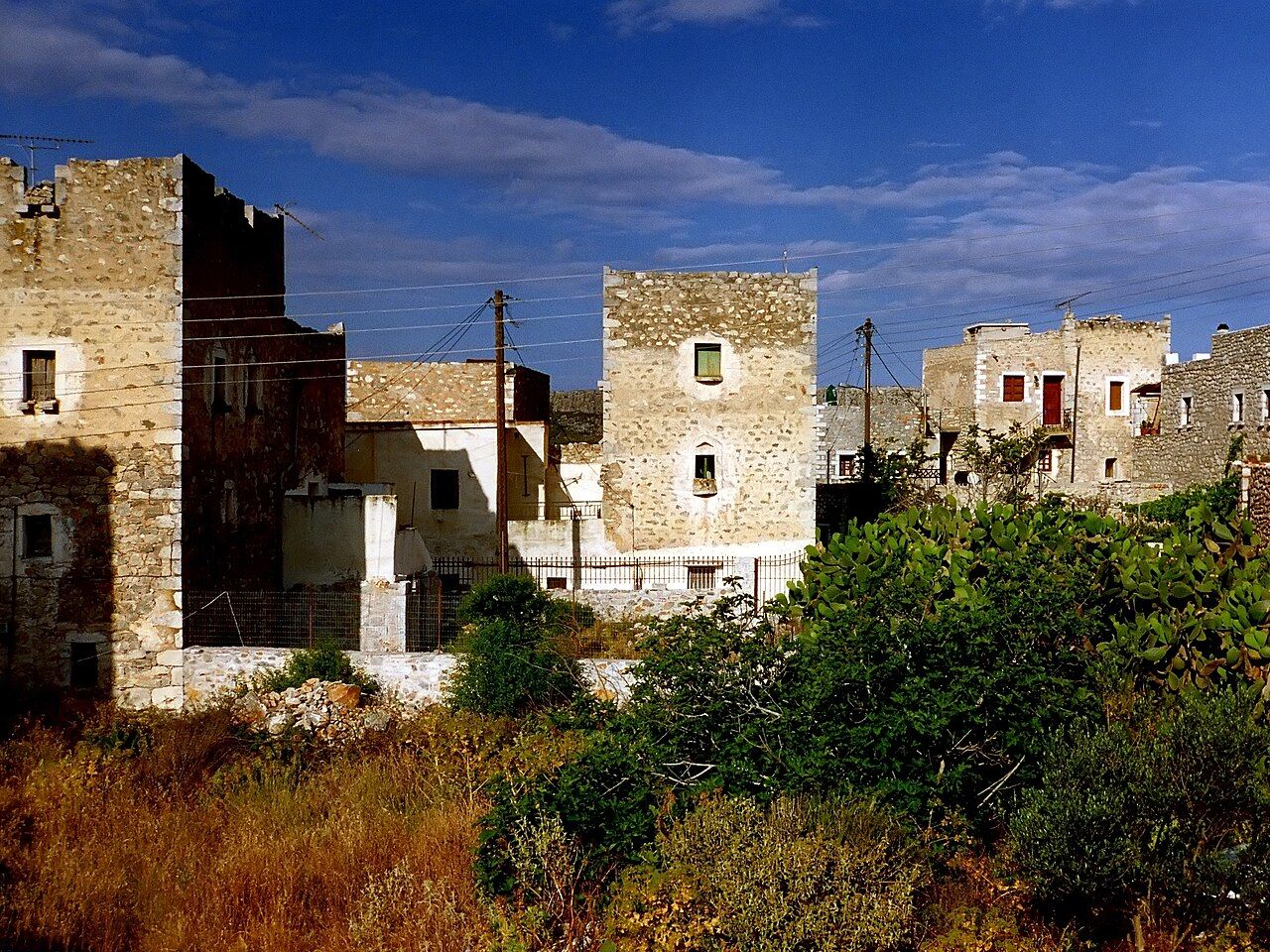
Eighteen was Patrick Leigh Fermor’s age when he set out. In December 1933, he began walking from the Hook of Holland. The destination was Constantinople, and the route took about thirteen months. That is a clean beginning, but not a neat story.
The walk was on foot, for about 2,500 kilometres. Those figures give the journey a shape without explaining it. A map can show distance and direction; it cannot settle what matters. Here, the lasting interest lies partly in the books that grew around the walk.
For much of the journey, Leigh Fermor followed the Rhine. Then came the Danube, another long line through the story. These rivers make the route legible without making it simple. The Danube between Melk and Krems offers a useful point of comparison, though this journey belongs to its own account.
The Rhine also gives the walk a strong early line. The Rhine between Bingen and Koblenz is another comparison worth keeping nearby. Not because it explains Leigh Fermor’s route, but because river names can make distance feel graspable. That is a small help, not the whole measure.
There is a particular pleasure in tracing a journey by rivers. The names give the route a shape, but not a complete explanation. That distinction suits this story: its appeal rests less on a tidy map than on what the walk became afterwards.
The numbers: about 2,500 km, about 13 months, on foot.
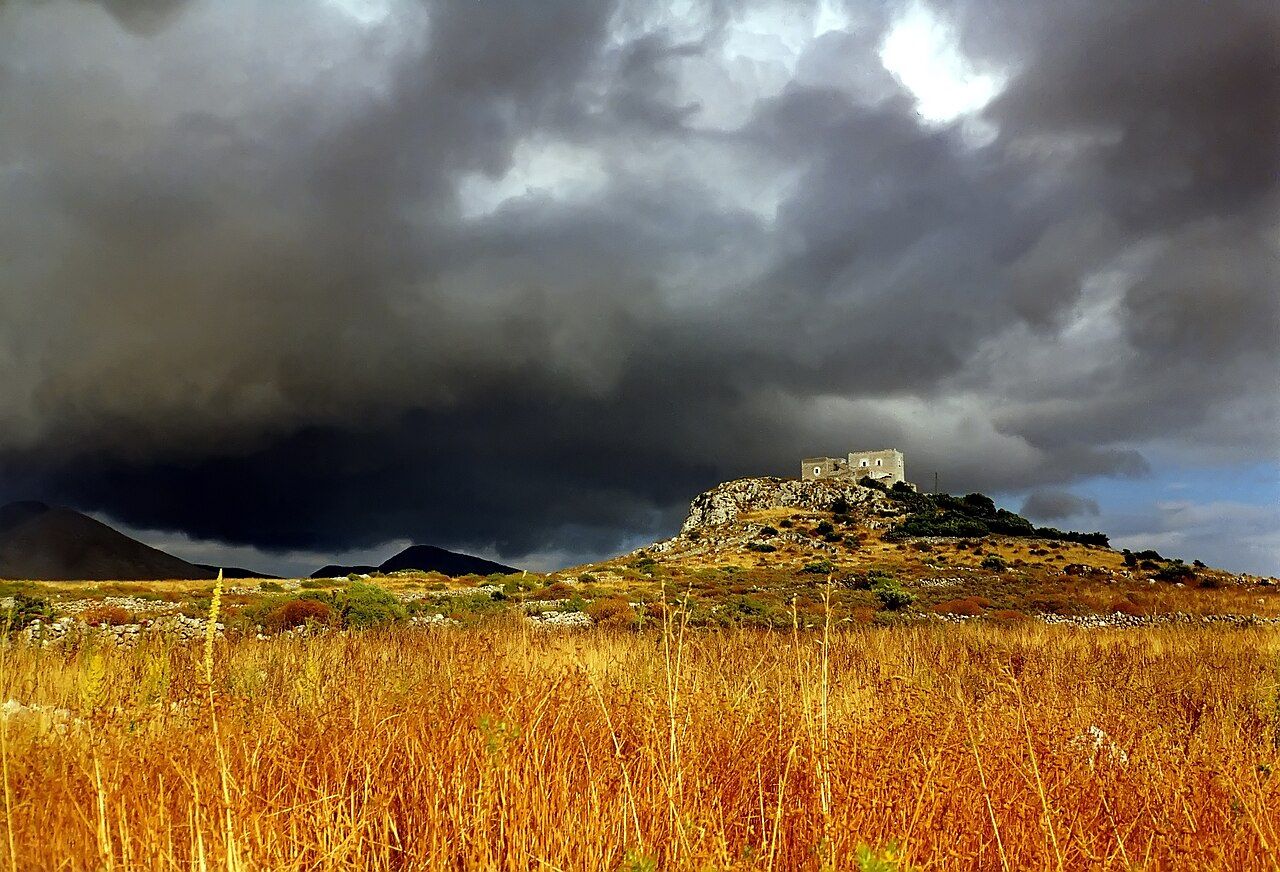
Leigh Fermor reached Constantinople on 1 January 1935. The date brings the journey to a firm point. Yet the walk did not arrive in print as one finished account. It became three books, published across a much longer span.
Three books
A Time of Gifts, the first book of the journey, appeared in 1977. The gap between the walk and that publication is hard to ignore. It gives the book a second kind of distance: not kilometres, but years. That interval is part of the story, whether or not it is the part readers came for.
Between the Woods and the Water followed in 1986. Its title carries the measured movement of a route, rather than a finish line. I like that the journey reached readers in stages. A single volume might have tidied the whole thing too thoroughly.
Then there is The Broken Road, the unfinished third part, published in 2013. That description matters more than any tidy summary could. The account does not resolve into a complete set. A route can become a life’s work without becoming tidy.
A route can become a life’s work without becoming tidy.
The three publication dates stretch well beyond the walk itself. They do not make the journey larger; the distance already does that. Instead, they leave room for a reader to notice what a finished travel story often hides: an ending is not always available on demand.
I keep returning to a thermos of tea as a measure of travel. It is a modest companion for thinking about long distances. There is no grand lesson in that, and none is needed. A walk can be immense without asking for grand language.
The contrast between an exact destination and an unfinished book is the sharpest feature here. Constantinople was reached on a particular day. The third part remained unfinished. Those facts sit together without cancelling each other out, which is more interesting than a polished resolution.
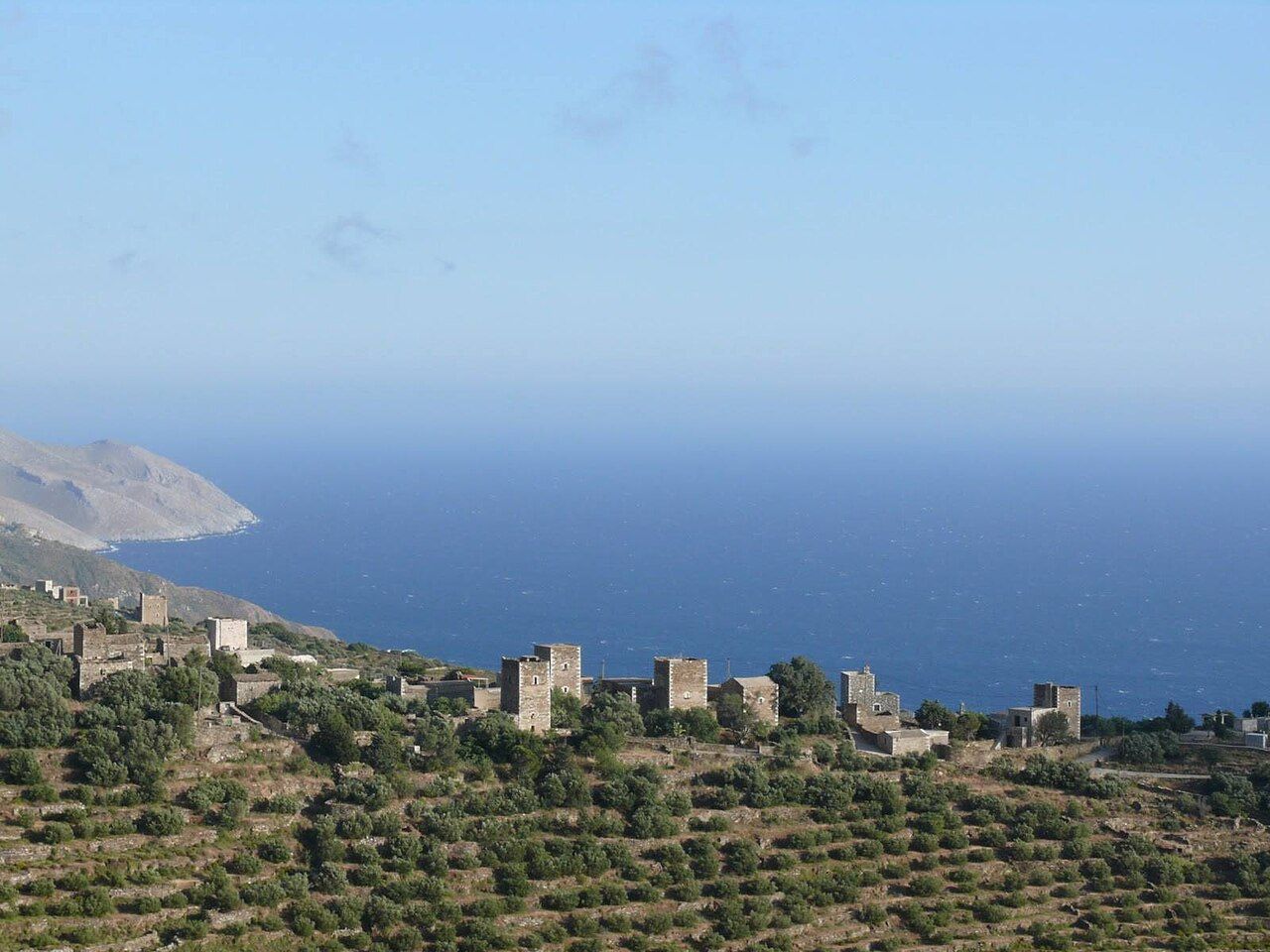
There is also the later house at Kardamyli in the Mani. Leigh Fermor lived there for many years, in a house he built. It adds another place to the account, but not another leg of the walk. I would keep that distinction clear; otherwise the story turns into a loose collection of destinations.
The long path above Turkish bays makes a tempting comparison for anyone thinking about walking in Turkey. But comparison should stay in its place. Leigh Fermor’s route began at the Hook of Holland and ended in Constantinople. Its particular force comes from that long passage, not from borrowing another path’s identity.
Leigh Fermor died in 2011. The books remain an uneven record: a first volume, a second, then an unfinished third. That shape is not a flaw to smooth over. It is the honest outline of what this journey became.
A thermos of tea is still my preferred scale for such claims. It keeps the grand route at human height. The distance is formidable, the dates exact, and the books incomplete. That combination is enough to hold attention without extra romance.
The walk matters; the unfinished books make it more compelling.