Pilgrim Ways
The Camino Primitivo, the First Way
From Oviedo, the Camino Primitivo crosses western Asturias towards Santiago: a demanding route shaped by a king, open passes and the old pilgrim road.
- Length
- about 320 km
- Usual time
- 12-14 days
- Travelled
- on foot
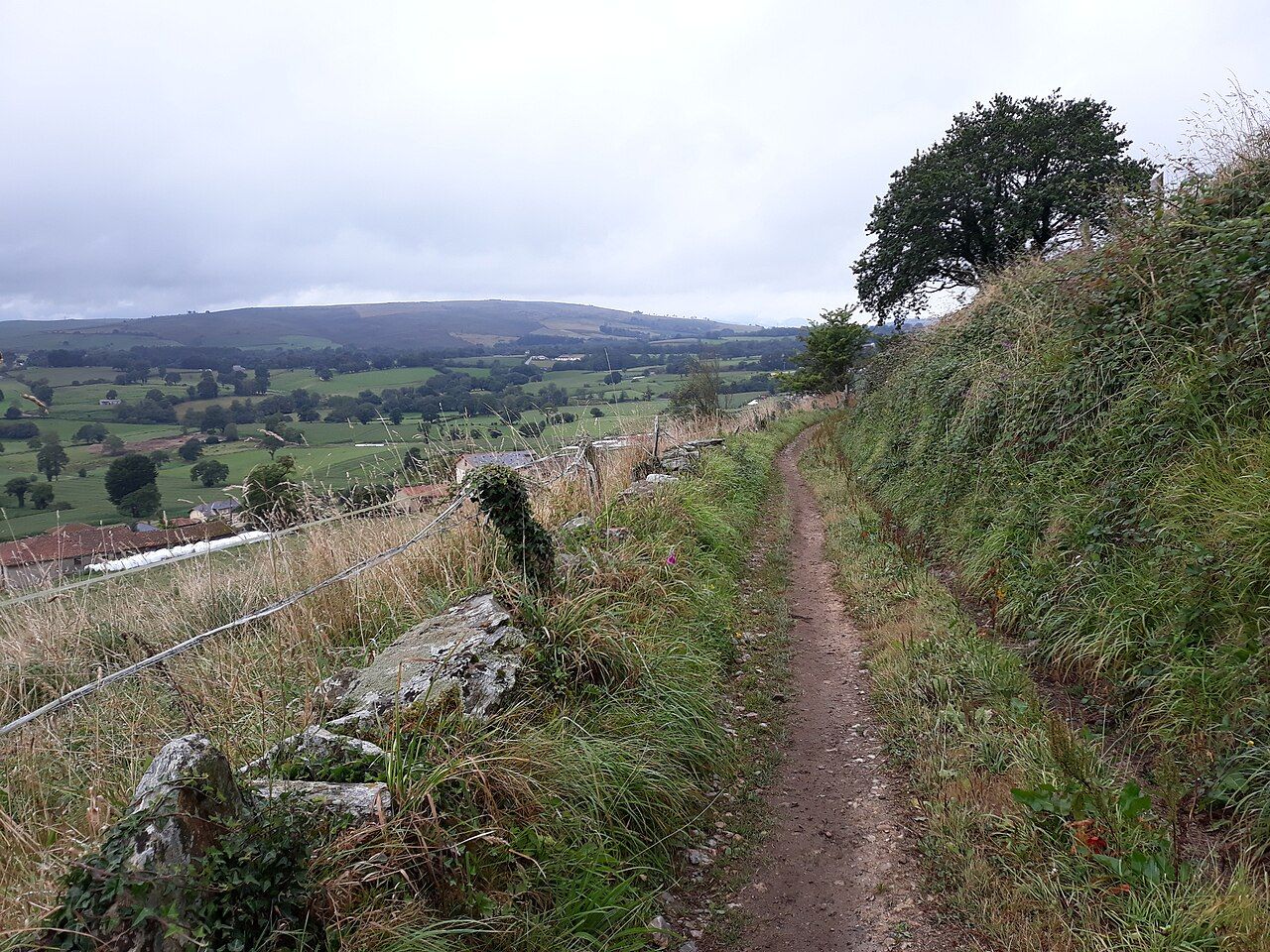
About 320 km from Oviedo to Santiago de Compostela: that is the measure of the Camino Primitivo. The distance is plain; the reason it matters is older. King Alfonso II of Asturias walked from Oviedo to Santiago in the ninth century. He is often called the first pilgrim.
Oviedo gives that story a firm beginning. The Cámara Santa in Oviedo Cathedral holds the relics that drew medieval pilgrims to the city. This is a route with a reason for starting here, not simply a convenient line on a map. I like that distinction. My thermos of tea is a modest travelling companion; a story with roots is better company.
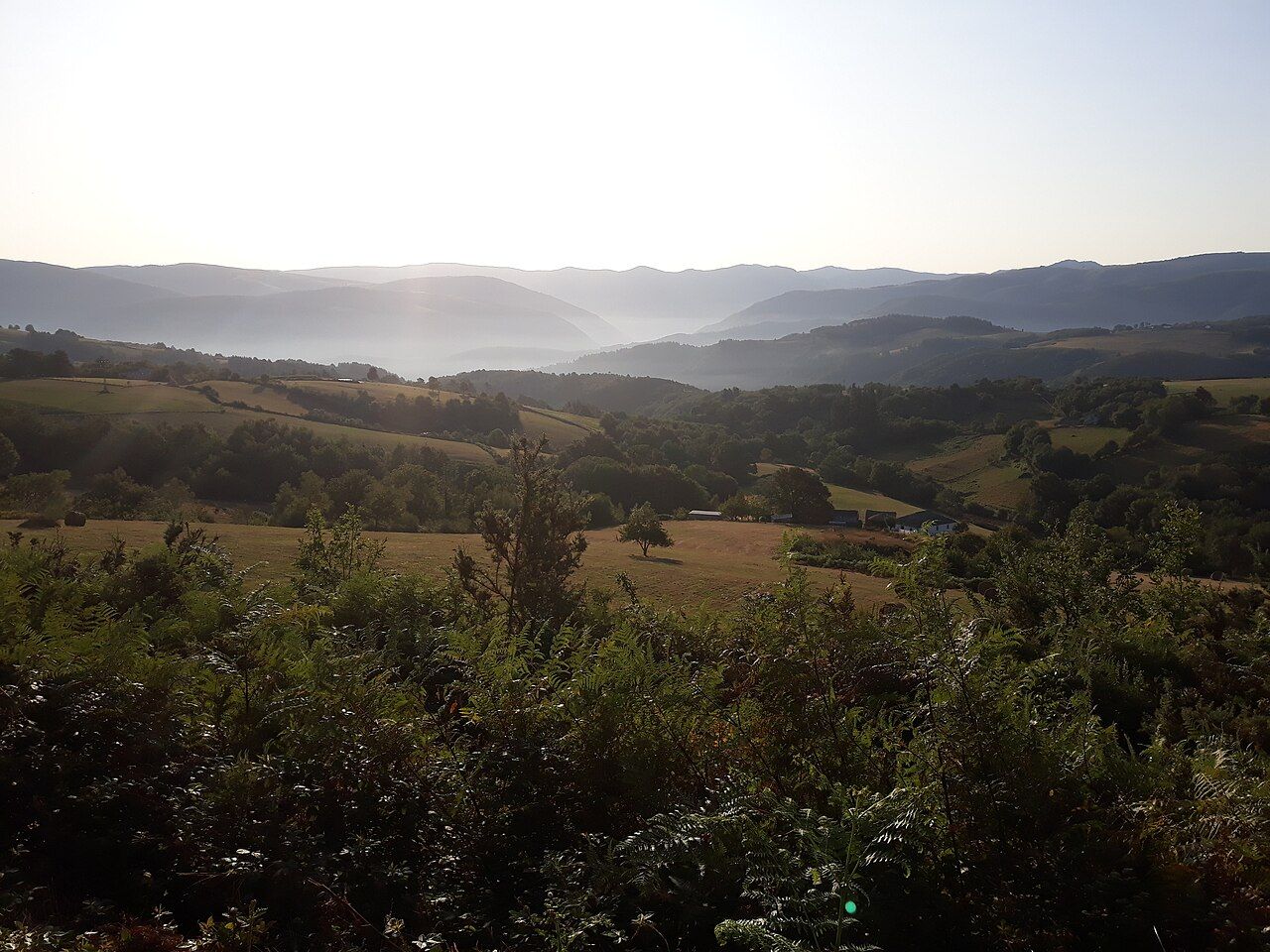
From Oviedo, much of the way crosses the mountains of western Asturias. Long climbs and descents come on most days. That makes the route hard in the direct sense, not in some vague badge-of-honour way. The mountains are the substance of the journey, and the effort belongs in its description.
The Hospitales variant is the route’s sharpest expression of that character. It crosses high open ground, past the ruins of old pilgrim refuges. The setting feels spare even in a sentence. Those empty high passes are the appeal: less interruption, more room to understand the scale of the crossing. My tea can wait while the view has the argument.
The road west
The route also passes the Salime reservoir on the River Navia. It is a different kind of landmark from the high ground, and a useful reminder that this walk is not one repeated scene. The Camino keeps changing its terms. That is more convincing than trying to sell every stretch as equally dramatic.
The numbers: about 320 km; 12-14 days; on foot.
Lugo offers a striking pause in the mountain story. Its Roman walls run more than 2 km round; UNESCO added them to its World Heritage list in 2000. The walls give the journey a definite human scale. They are not a decorative extra; they make Lugo worth noticing in its own right.
There is a clear contrast with the path along the Cantabrian shore. The Primitivo’s identity is inland, in the mountains of western Asturias and their long ascents and descents. Its high open sections make a kinship with Japan's mountain pilgrimage easy to imagine, though this route needs no borrowed identity.
At Melide, the Camino Primitivo joins the main Camino at Melide, about 50 km from Santiago. The meeting changes the story’s scale: this first way connects with a much larger pilgrim route near its end. I prefer the Primitivo before that junction, while the high country remains its defining thought.
The usual 12-14 days feels like the right measure for a journey built around repeated climbs and descents. It is not a route to reduce to a single claim about hardship, though. Alfonso II’s walk gives it a beginning; the mountain passes give it its present character. The old refuges make that long history feel close without needing to embellish it.
The thermos of tea can stay simple here: warmth, a pause, then the next stretch. What matters is the balance between the king’s story and the route itself. The story opens the door, but the high ground earns the attention. I would take the quieter, harder line over an easier legend.
The Camino Primitivo is demanding, beautiful, and better for its restraint.