Pilgrim Ways
The Camino Francés, From Pyrenees to Santiago
A long walk that keeps changing its terms: a mountain climb, city passages, the open Meseta and the entry into Galicia.
- Length
- about 780 km
- Usual time
- 30-35 days
- Travelled
- on foot
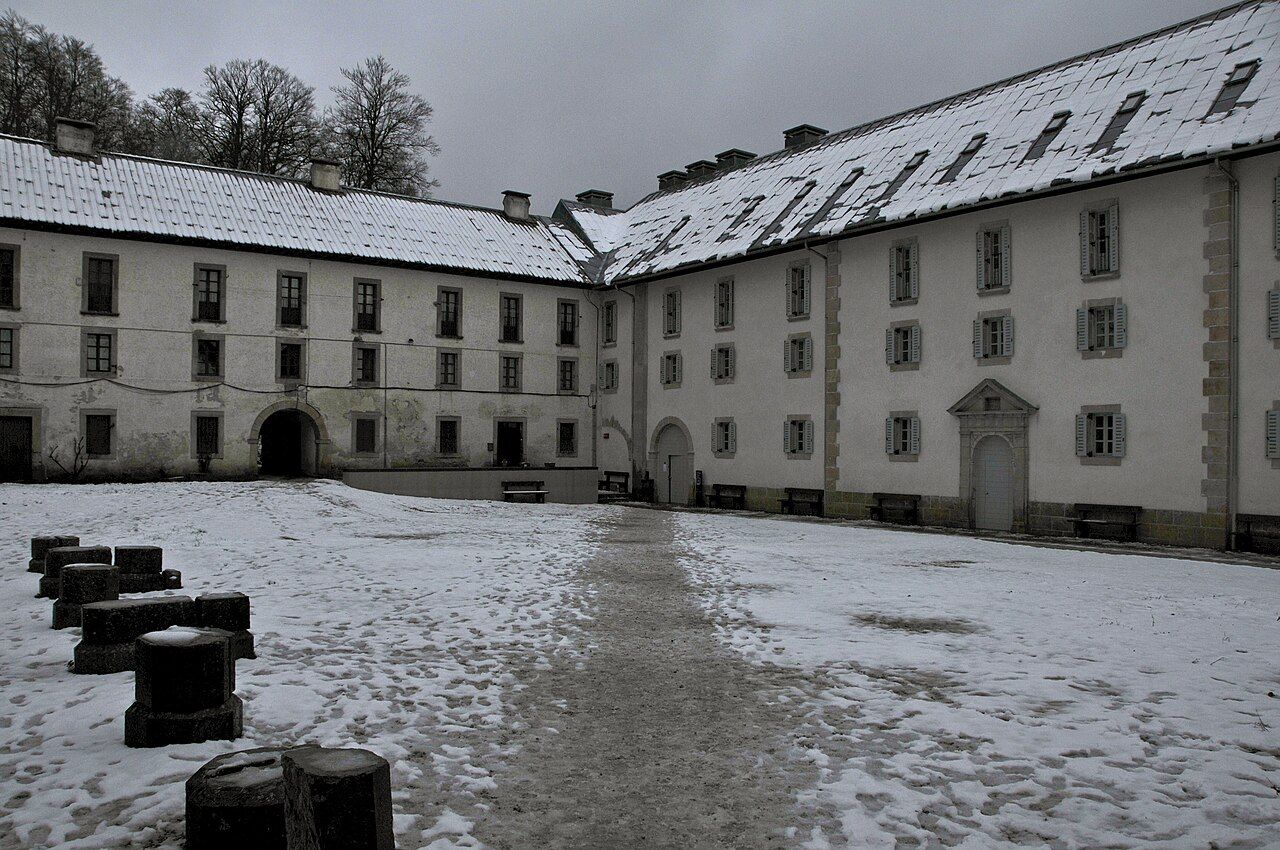
The first stage starts with a climb over the Pyrenees. The path reaches the Col de Lepoeder at about 1,400 m, then drops to Roncesvalles. That is a serious opening statement. A thermos of tea sounds especially persuasive before a day like that.
There is no need to pretend the whole route keeps this pitch. The Camino Francés changes character as it moves across northern Spain. Mountains give way to cities, then to a plateau, before Galicia arrives. That variety is the route’s strongest argument.
The start at Saint-Jean-Pied-de-Port is in France. From there, the route runs about 780 km to Santiago de Compostela. The first stage supplies a clear contrast: a demanding climb followed by a descent. Later, the landscape keeps changing the terms.
Pamplona, Logroño, Burgos and León give the route its city names. They also offer a useful counterweight to the open country. I like a long walk better when its character does not settle too early. This one has enough shifts to avoid that problem.
The cities are not the whole story, and the route does not need them to be. Between Burgos and León, it crosses the Meseta, a high, open plateau of wheat fields. That stretch sounds less like a collection of highlights than a test of attention. It is a feature, not a flaw.
The Meseta is the route’s bluntest argument for patience. On a map, its openness can look like an absence of interest. I would give it more credit than that. A landscape with little to distract the eye can become the point.
There is a thermos-of-tea quality to that kind of walking: steady, plain and better for not being rushed. I am more interested in a route that makes space for quiet than one that keeps announcing itself. The Meseta seems to offer that space, even if its appeal will not be universal.
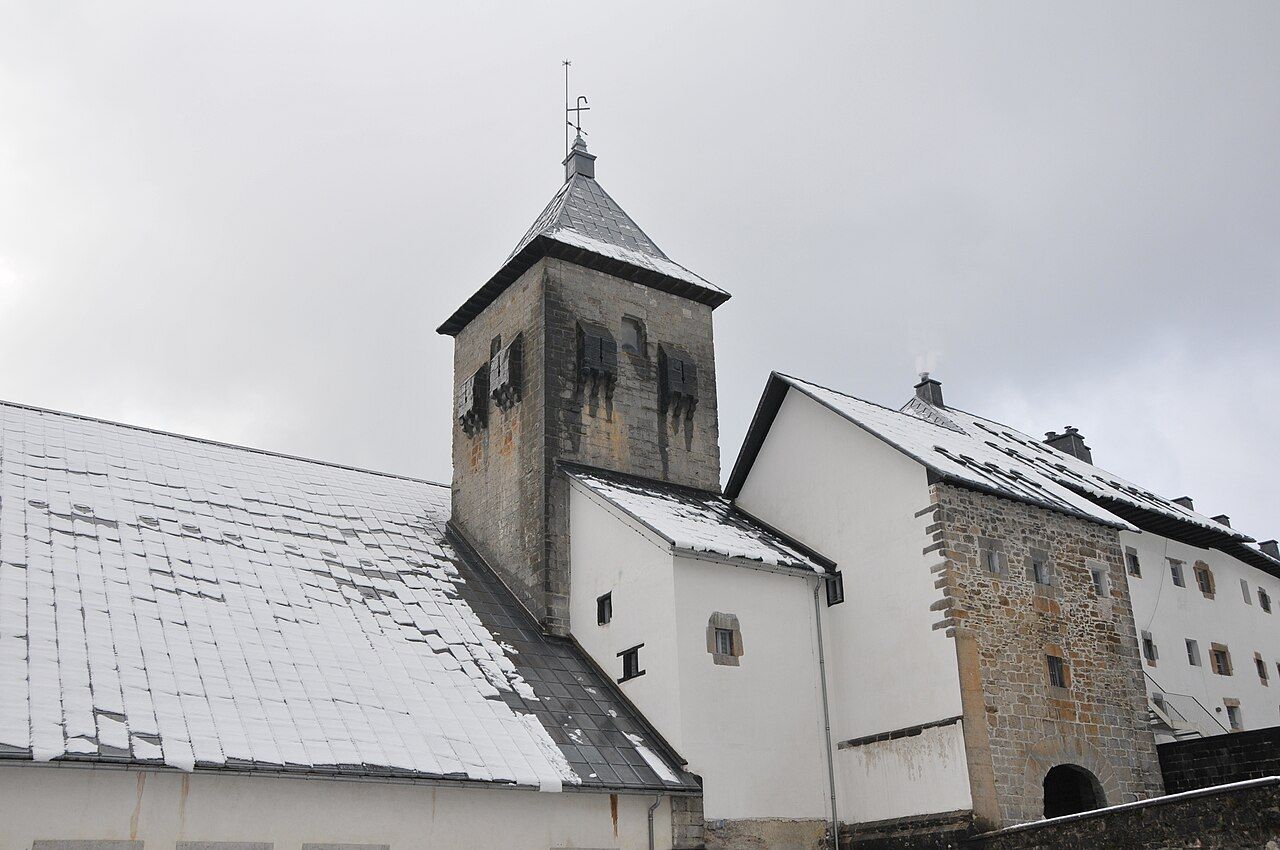
The numbers: about 780 km; most walkers take 30–35 days.
Changing ground
Near Foncebadón, the Cruz de Ferro stands at about 1,500 m. It is an iron cross on a tall wooden pole. Pilgrims traditionally leave a stone brought from home at its foot. That small act gives this point more meaning than altitude alone could.
The route’s strongest moments are not all grand views. A carried stone, left beneath a cross, is a spare idea with real weight. I prefer that to any attempt to make every mile sound important. This one place has its own clear purpose.
O Cebreiro, at about 1,300 m, marks the entry into Galicia. It gives the route another change of setting, after the plateau and the high ground near Foncebadón. The sequence itself is enough to keep the walk moving.
The older mountain route from Oviedo makes a useful comparison. So does the other great medieval pilgrim road. Neither changes what the Francés does best: it keeps presenting a different kind of country. The route is long, but it is not one long repetition.
There is a case for choosing a shorter stretch instead. Sarria, a little more than 100 km from Santiago, is the most common starting point for shorter walks. A pilgrim must walk at least the last 100 km to Santiago to receive the Compostela certificate. Those distances make Sarria a practical choice, not a substitute for the whole route.
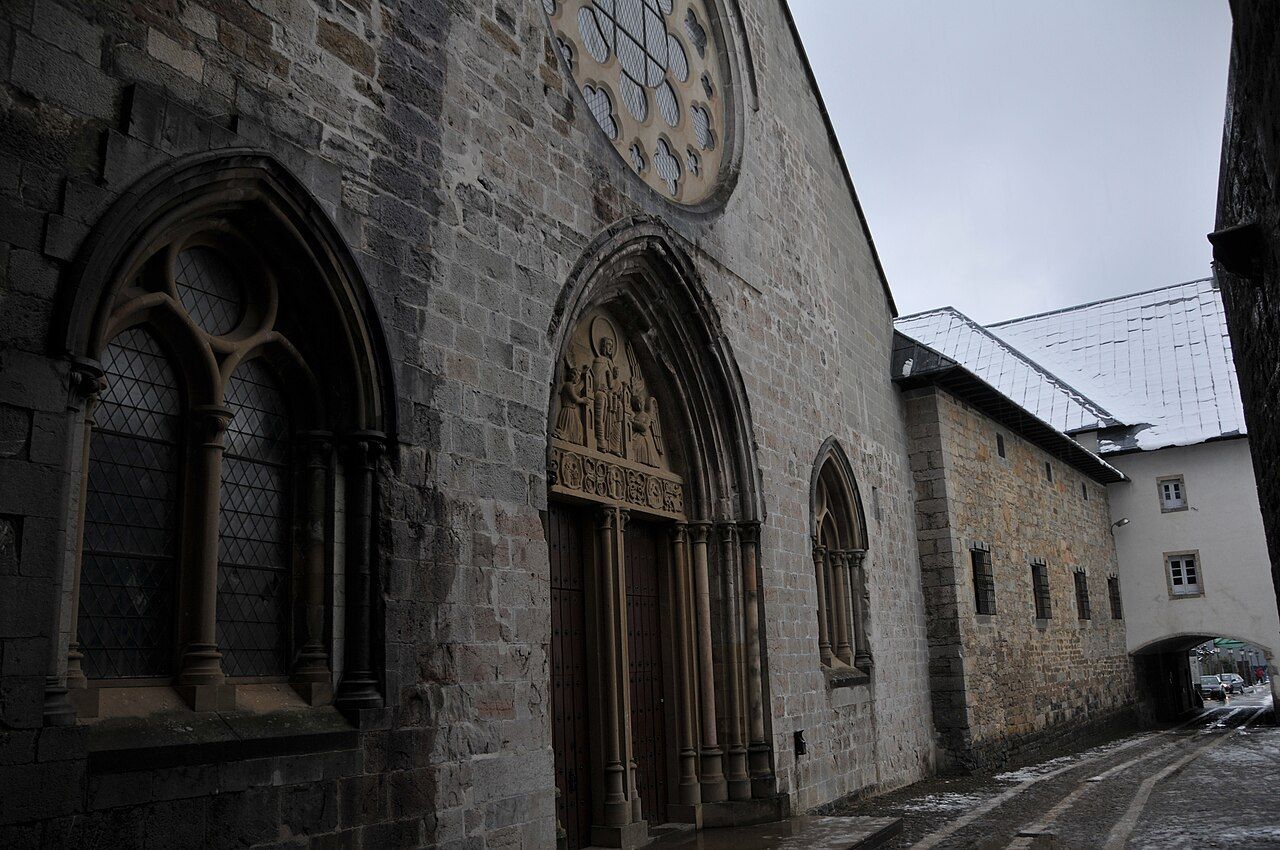
The shorter option has a clear purpose. The full walk asks for 30–35 days, which is a substantial share of anyone’s time. I would not call the longer route automatically better. Its appeal rests on experiencing the changes from the first climb onwards.
UNESCO recognised the Camino Francés in Spain in 1993, adding it to its World Heritage list. That recognition sits comfortably beside the route’s working scale: foot travel, long distance, and landscapes that do not arrive all at once. The important thing is not a label. It is the variation underfoot.
Other pilgrim routes belong in the same conversation, including a northern pilgrimage to Trondheim.
Still, the Francés makes its own case through the passage from France to Santiago, and through the steady changes in between.
At the end stands Santiago de Compostela, the route’s destination. The walk has crossed the Pyrenees, passed Pamplona, Logroño, Burgos and León, crossed the Meseta, and entered Galicia at O Cebreiro. It is a clean progression, without needing every section to compete for attention.
A thermos of tea remains my preferred measure of a long route: simple, sustaining, not a spectacle. The Camino Francés earns its length through variety rather than constant drama. That is a more convincing offer than a walk that promises one mood from start to finish.
The Meseta is the route’s bluntest argument for patience.
The verdict is straightforward: the Camino Francés is worth its time because it keeps changing.